

Use this guide to corporate event photography to plan polished, heartfelt coverage that captures the people, energy, and purpose of...
HELLO
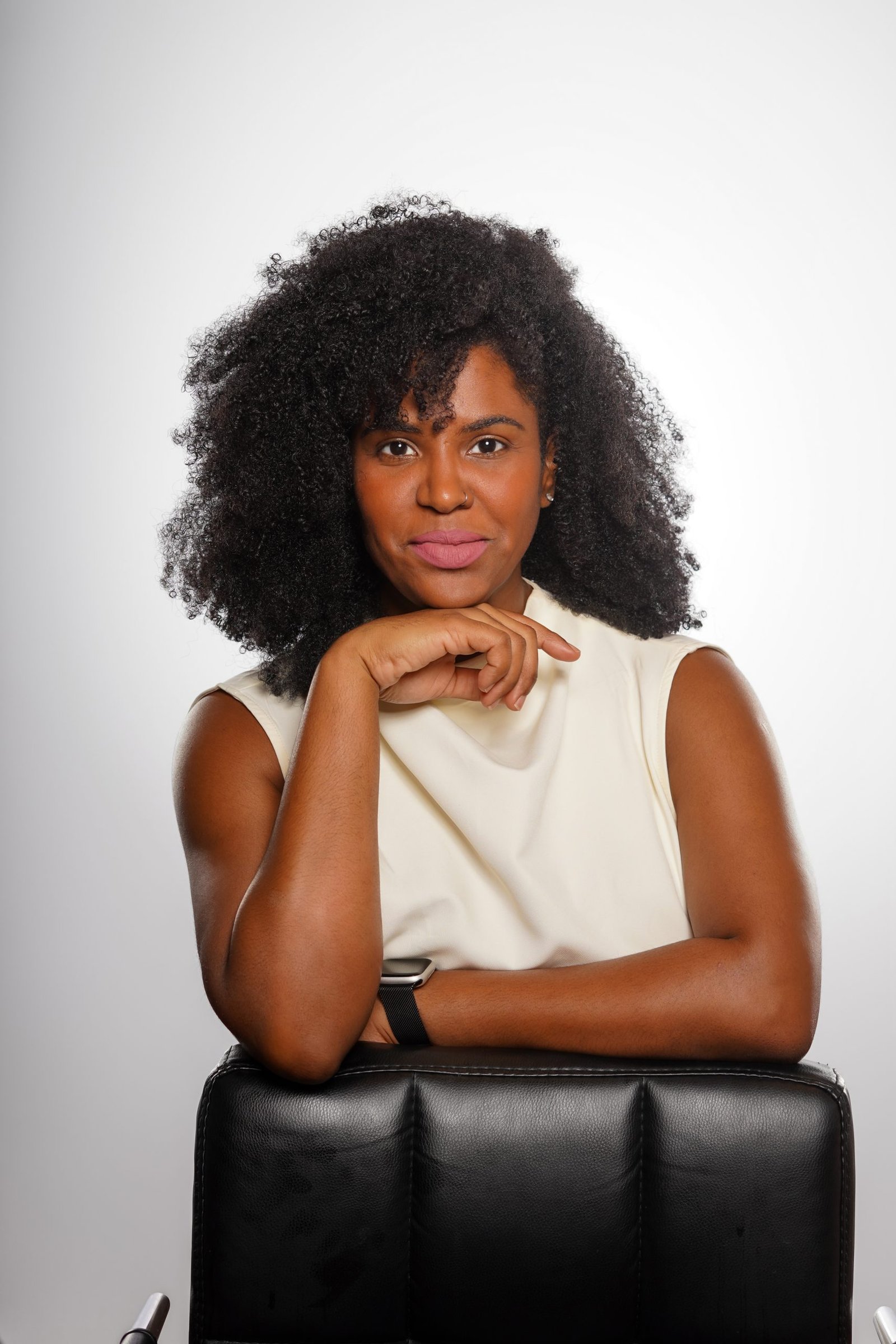
I’m Keyris a refined and editorial wedding photographer based in Montreal, specializing in local and destination weddings, as well as luxury elopements. With over 8 years of experience, I bring a unique and detailed eye to every love story, capturing moments that are authentic, timeless, and sophisticated.
As a dreamer and a determined, persistent woman, I find inspiration in the beauty of genuine connections and the natural world.
Whether it’s a quiet glance, a joyful laugh, or a breathtaking backdrop, I aim to preserve the magic of your special day through storytelling and fine art photography.
While I call Montreal home, my passion for capturing love stories has taken me across Canada and beyond including destination weddings in the Dominican Republic, as well as cities like Toronto and Ottawa. My services extend to both local and international weddings, ensuring that no matter where your love takes you, I can be there to document it.
Outside of photography, I’m a landscaper, chess player, and animal lover. These facets of my life enrich my perspective and approach to photography, allowing me to connect deeply with the stories I tell.
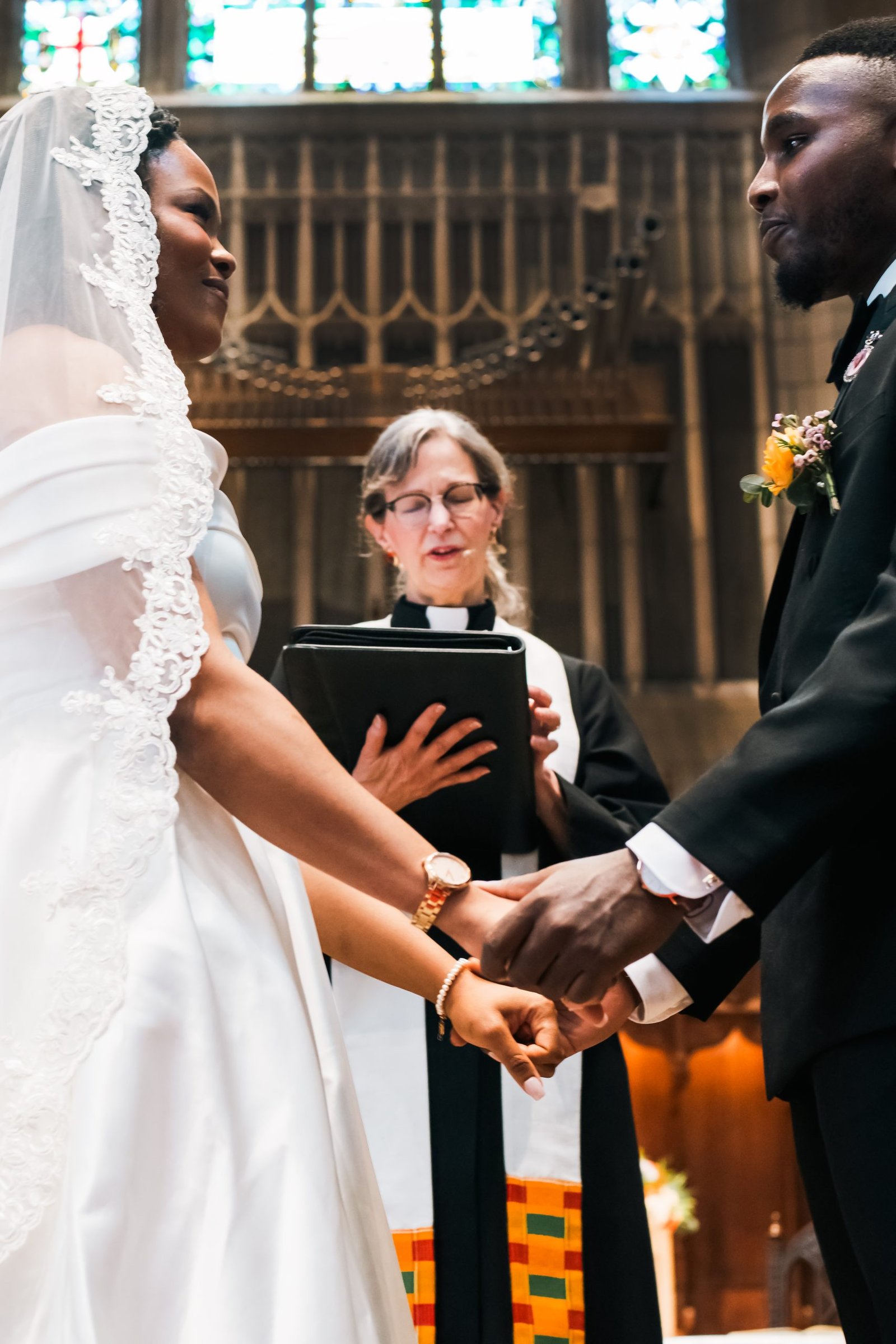
A wedding album can feel like two stories living side by side. One is full of movement – the laugh you didn’t expect, the hand squeeze before the vows, your grandmother wiping away a tear. The other is carefully composed – your family gathered beautifully, your first portrait as newlyweds, the images that will sit in frames for decades. If you’ve been asking what is traditional wedding photography, it’s the classic approach built around intentional posing, direction, and timeless portraits.
Traditional wedding photography is often the style people picture first when they think of wedding photos. It focuses on posed, polished, well-lit images where the photographer guides everyone into place. The goal is not to catch every moment exactly as it unfolds, but to create elegant photographs that feel organized, flattering, and enduring.
That doesn’t make it stiff by definition. At its best, traditional wedding photography creates a sense of occasion. It honors the people who came, the formality of the day, and the legacy a wedding carries through generations.
What is traditional wedding photography, exactly?
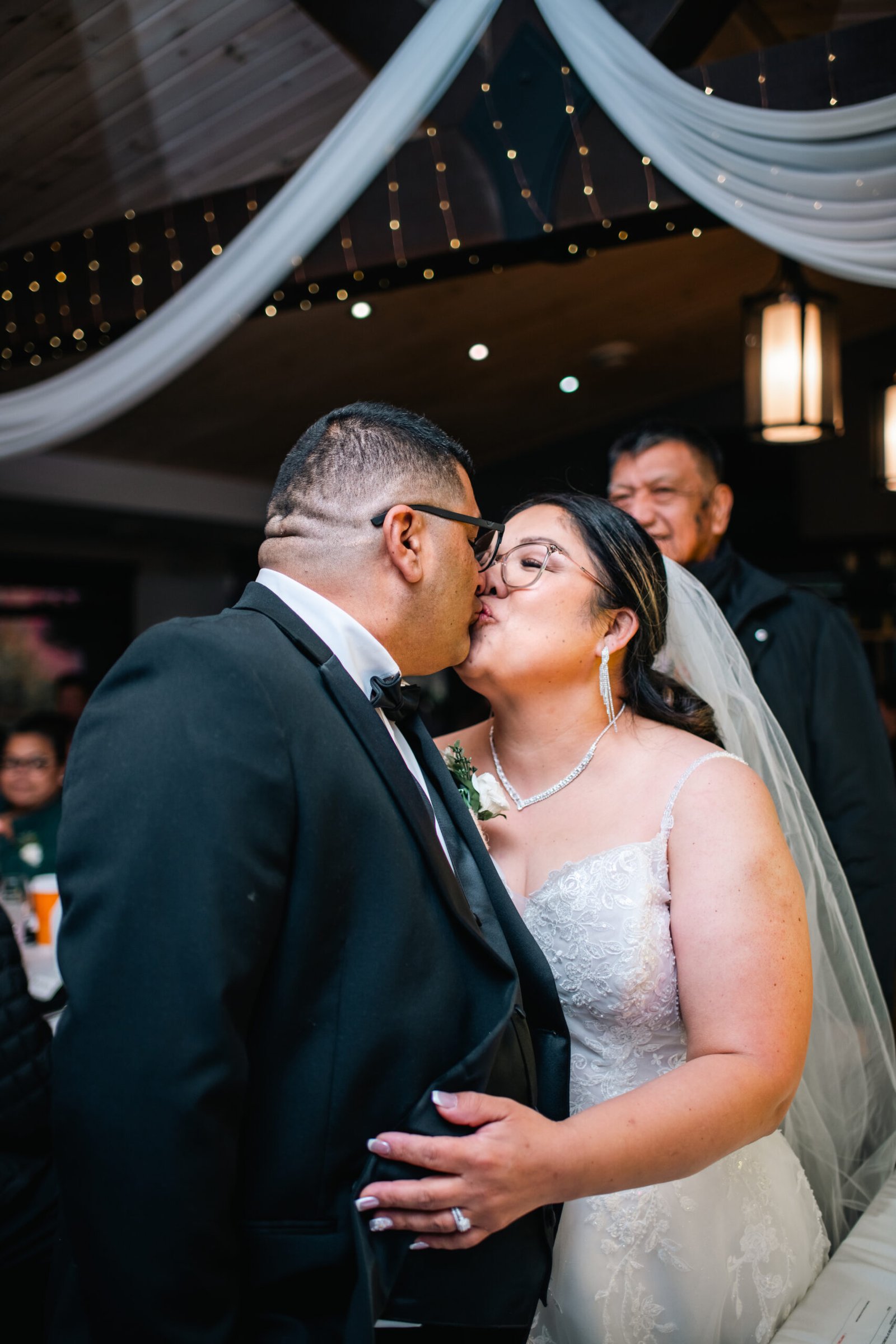
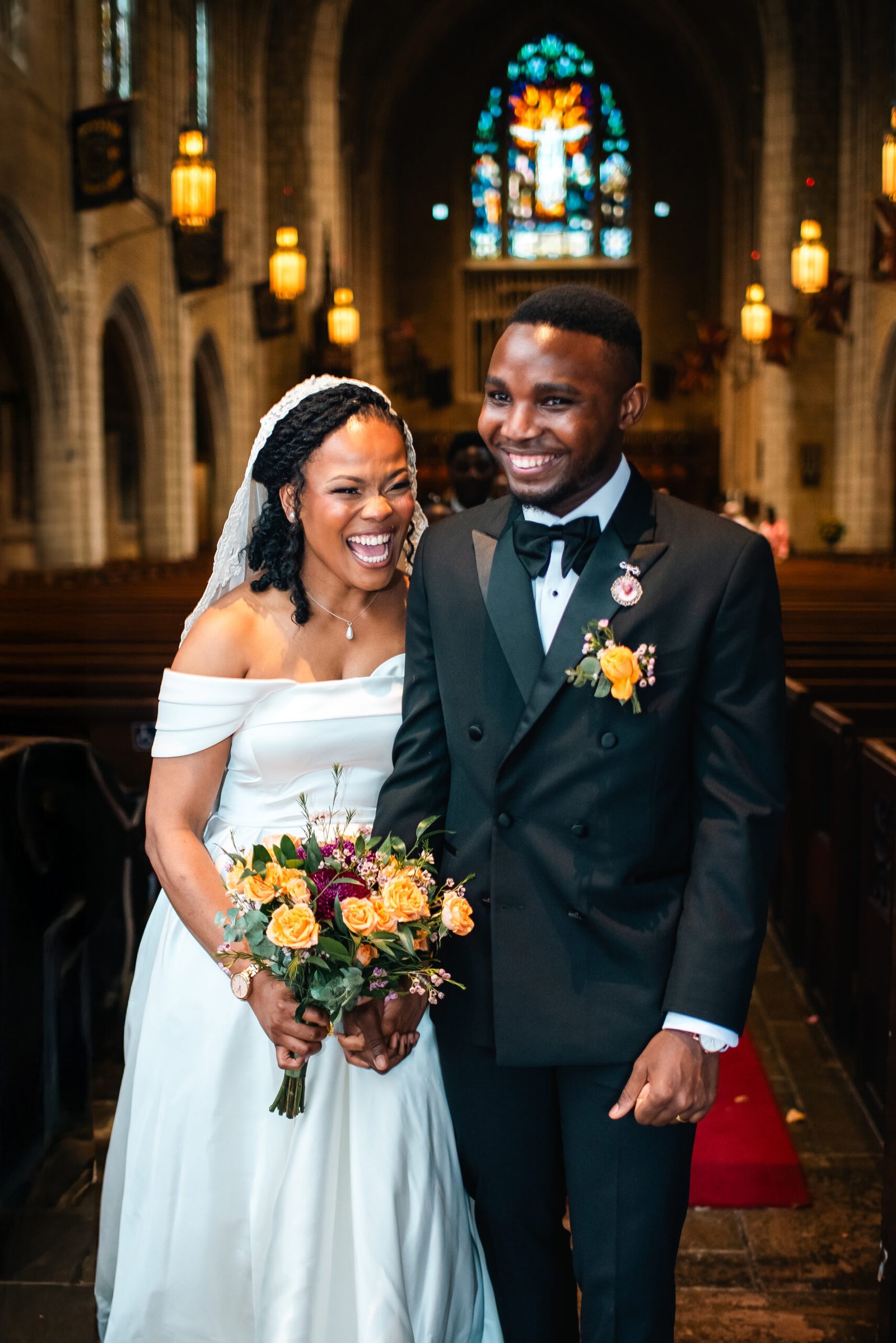
Traditional wedding photography is a structured style of coverage where the photographer directs poses, arranges groups, and plans key shots in advance. It usually includes family formals, wedding party portraits, couple portraits, and milestone moments like the ceremony entrance, first kiss, cake cutting, and first dance.
This style became the foundation of wedding photography long before candid, documentary-driven coverage became widely popular. For many families, it still represents what wedding photography should be – clear, beautiful images where everyone is looking at the camera, standing well, and photographed with care.
There is also a practical side to it. On a busy wedding day, structure creates clarity. Traditional photography makes sure the must-have portraits are not left to chance, especially when parents, grandparents, and extended family are deeply important to the story of the day.
The defining look of traditional wedding photos
Traditional wedding photography tends to feel clean, balanced, and intentional. Poses are guided. Backgrounds are chosen on purpose. Lighting is often controlled as much as possible so skin tones look flattering and details are crisp.
You’ll usually see symmetry, strong composition, and a focus on everyone being visible and well positioned. In family portraits, that matters more than people realize. A skilled photographer working in a traditional style knows how to arrange a group so it feels elegant instead of crowded.
The emotional tone is often more restrained than documentary coverage, but not emotionless. A classic portrait of a couple looking at each other, holding hands, or standing close can still feel deeply romantic. The difference is that the moment is guided rather than simply observed.
What traditional wedding photography usually includes
Most traditional coverage centers on the photographs families expect to keep forever. That often begins with portraits of each partner getting ready, then carefully arranged images of the dress, shoes, rings, bouquet, and other details. From there, the photographer moves through the day with a shot list in mind.
Family formals are one of the biggest pillars of this style. Immediate family, grandparents, siblings, godparents, and extended relatives may all be photographed in a planned order. For couples with close-knit families or strong cultural traditions, this can be especially meaningful.
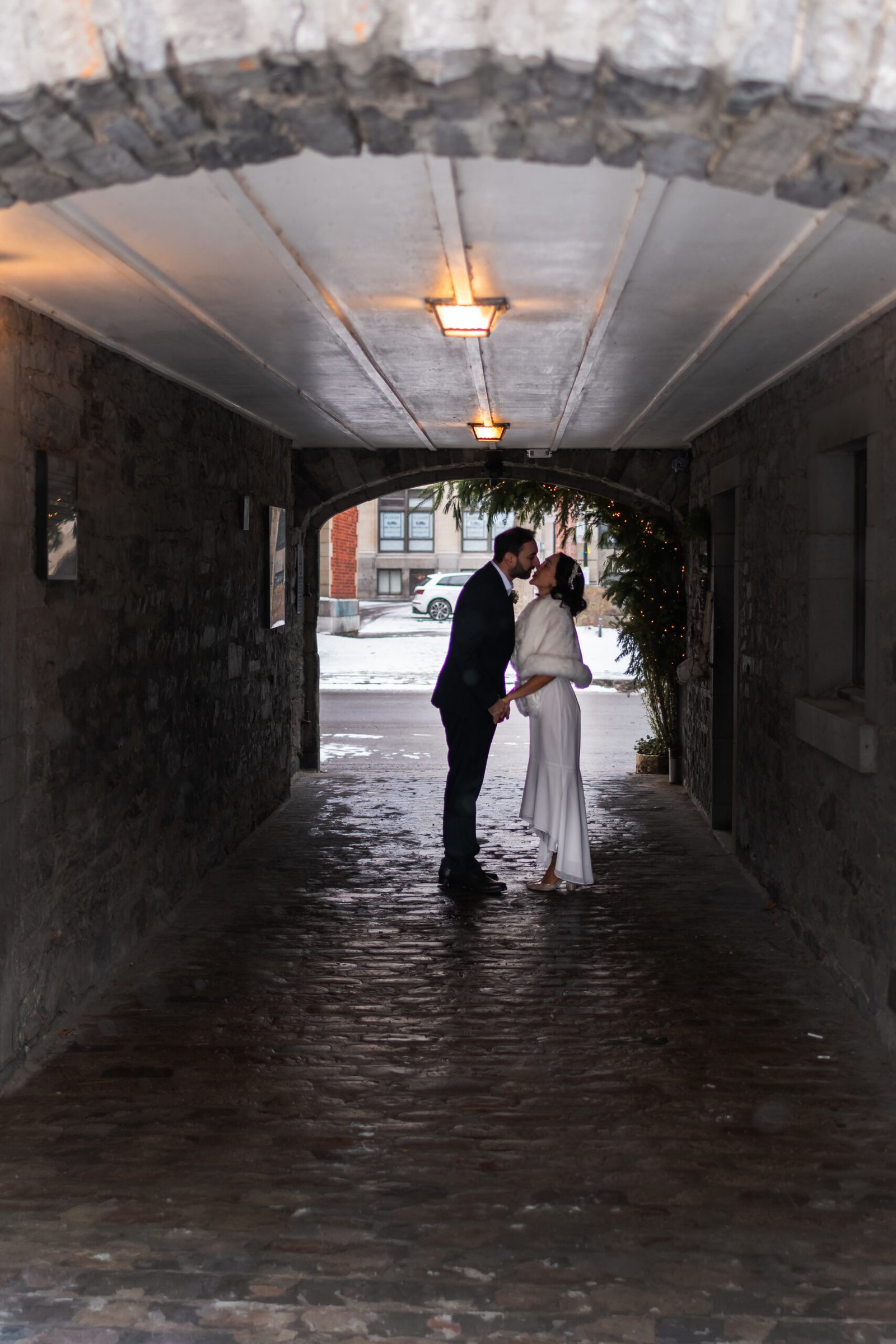
The couple’s portraits are another major focus. Rather than waiting for natural interactions to unfold on their own, the photographer gives direction on where to stand, how to hold each other, and where to look. That guidance can be incredibly helpful for couples who feel nervous in front of the camera.
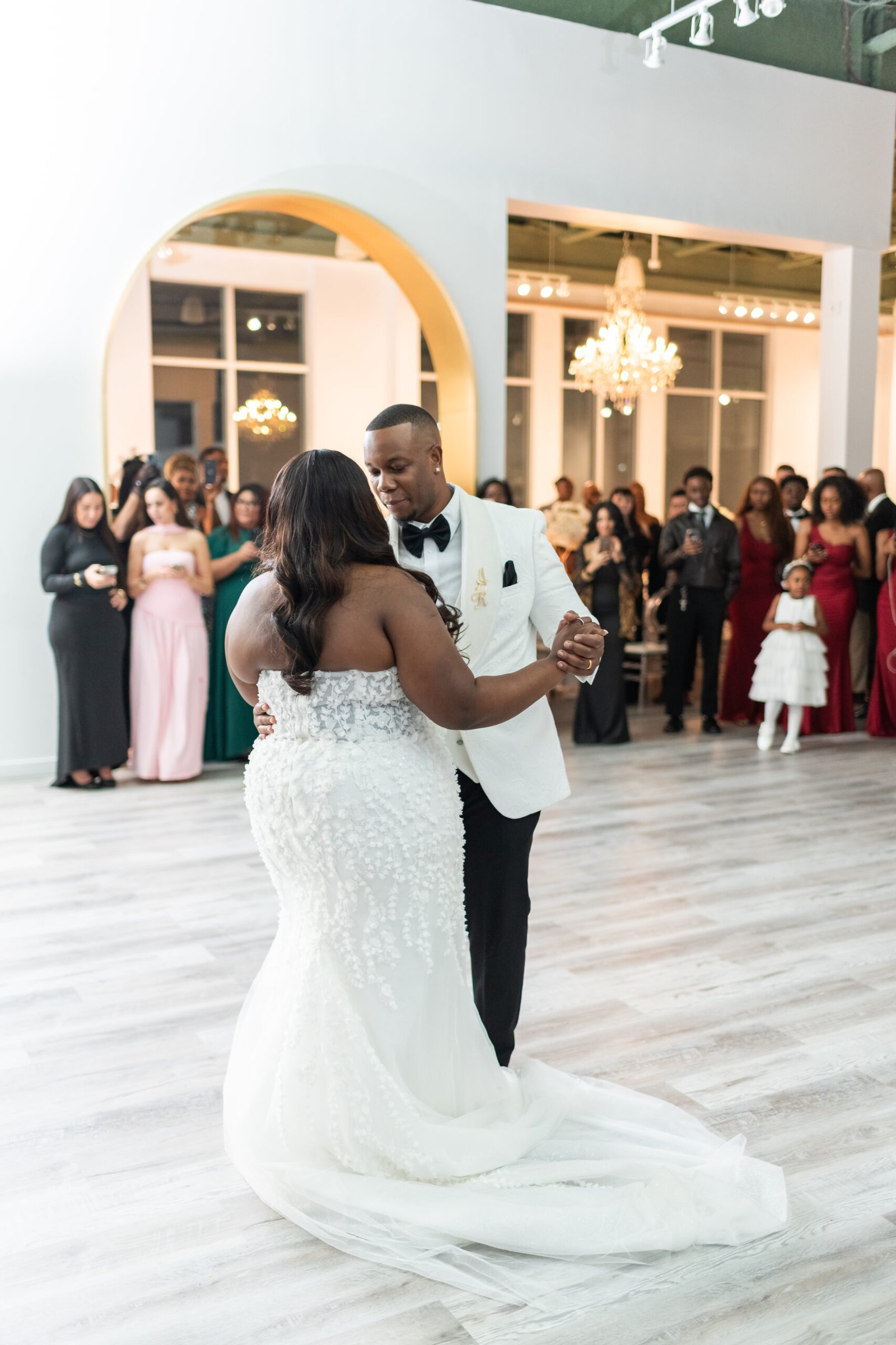
Reception moments may also be photographed in a traditional way, especially formal events like the grand entrance, speeches, first dance, and cake cutting. Even when those moments happen naturally, the photographer often approaches them with a classic, composed eye.
Why some couples still love this style
There is a reason traditional wedding photography has lasted. It creates order on a day that can feel wonderfully full and emotionally overwhelming. When everything moves quickly, classic coverage protects the moments you know you’ll want later.
It also offers reassurance. If you come from a family where wedding portraits matter, where elders want formal photos, or where albums become heirlooms passed through generations, traditional photography makes space for that legacy. It says these people matter, this union matters, and this moment deserves to be preserved with intention.
For many couples, the appeal is timelessness. Trends shift. Editing styles come and go. But a beautifully lit, well-composed portrait of a couple and their family rarely loses its value.
Where traditional wedding photography can feel limited
This style is not the right fit for every couple, at least not on its own. Because it depends on direction and structure, it can sometimes feel less spontaneous. If your dream wedding gallery is filled with movement, raw emotion, and in-between moments, a purely traditional approach may feel too controlled.
It can also take more time. Group portraits require coordination, and couple portraits with detailed posing need room in the timeline. If you want to be fully immersed in the flow of the day with minimal interruption, that trade-off is worth thinking through.
There’s also the question of personality. Some couples love the clarity of being guided. Others feel most like themselves when they’re allowed to interact naturally and forget the camera is there. Neither preference is wrong. It simply shapes the kind of experience you’ll enjoy.
Traditional vs. documentary wedding photography
The difference between traditional and documentary wedding photography comes down to control. Traditional photography is directed. Documentary photography is observed.
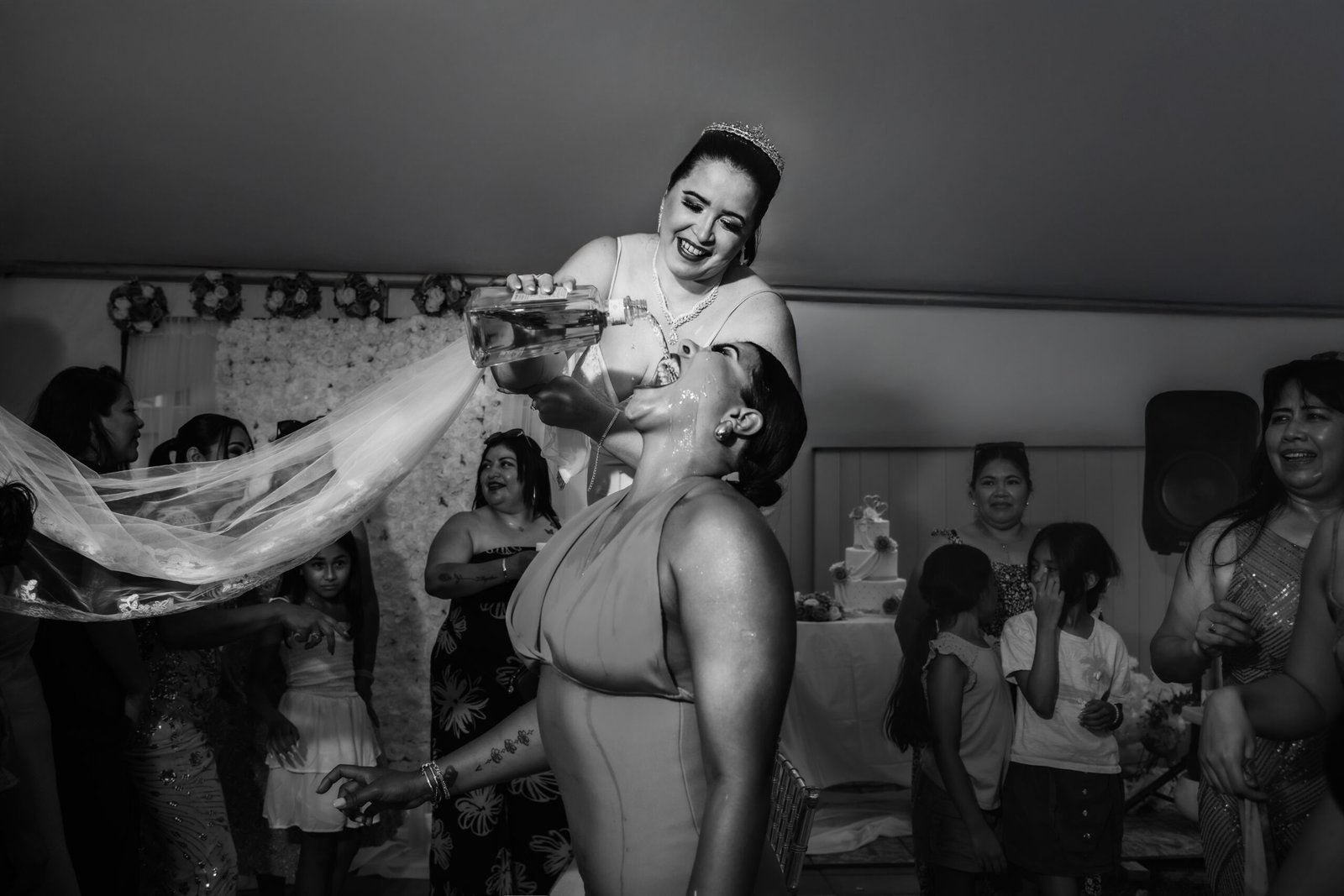
In a traditional approach, the photographer steps in, arranges, and guides. In documentary coverage, the photographer watches for real moments as they happen and captures them with minimal interference. One creates a photograph with intention from the outside. The other preserves the emotional truth already unfolding.
Most modern couples do not need to choose one style exclusively. In fact, many of the strongest wedding galleries blend both. You might want traditional portraits with your family and wedding party, then documentary coverage during the ceremony, cocktail hour, and reception when emotion moves fast and naturally.
That balance often gives couples the best of both worlds – the elegance of classic portraits and the heart of unscripted storytelling.
Is traditional wedding photography right for your wedding?
If you value structure, polished portraits, and family images that feel formal and complete, traditional wedding photography may be a beautiful fit. It tends to serve larger weddings especially well, where many family combinations need to be photographed efficiently and with care.
It can also be the right choice if your wedding has a strong sense of ceremony. Cultural weddings, faith-based celebrations, and multigenerational gatherings often benefit from a style that respects formality and preserves important people with intention.
But if what matters most to you is emotional movement – the tears, the touch, the laughter no one planned – then you may want a photographer who uses traditional photography as one part of the day, not the entire language of it.
For many couples, the best question is not whether traditional wedding photography is good or outdated. The better question is how much of it belongs in your story.
How to ask for the right mix
When you speak with a photographer, be honest about what you want your gallery to feel like. Do you want a strong set of classic family portraits? Do you want your couple photos to feel refined but still natural? Do you care more about being guided, or about being free to simply be together?
This is where clarity matters more than labels. Some photographers say they shoot traditional weddings when they really mean they provide family formals. Others use a documentary style but still create stunning classic portraits when needed.
If you’re drawn to heartfelt imagery with a polished finish, ask how the photographer balances posed portraits with candid storytelling. For many couples, that middle ground feels the most honest. It protects the legacy images without losing the soul of the day.
A brand like Keyris Rodriguez understands that weddings are never just events. They are memory, heritage, beauty, and emotion held together in real time. That’s why the question isn’t only what is traditional wedding photography. It’s also whether your photos reflect the way your love actually felt.
The right wedding photography style should let you recognize yourselves years from now – not only in the way you looked, but in the way your day was held, celebrated, and remembered.
Stories Behind the Lens
With a storyteller’s eye and a refined artistic approach, I work closely with couples to create timeless, emotionally resonant photographs. For over 8 years, I’ve had the joy of capturing love stories across Montreal and beyond, turning fleeting moments into lasting memories.
I built on a warm, personalized experience where every couple feels truly seen and at ease. Inspired by the beauty of natural light, genuine emotion, and human connection, I aim to craft imagery that honors the unique essence of your journey together.

What to Expect at a Professional Headshot Session
Learn what to expect at a headshot session, from wardrobe and grooming to natural direction, polished images, and a portrait...

8 Real Estate Drone Video Examples That Sell
See real estate drone video examples that build desire, clarify a property's setting, and help luxury listings feel cinematic, honest,...
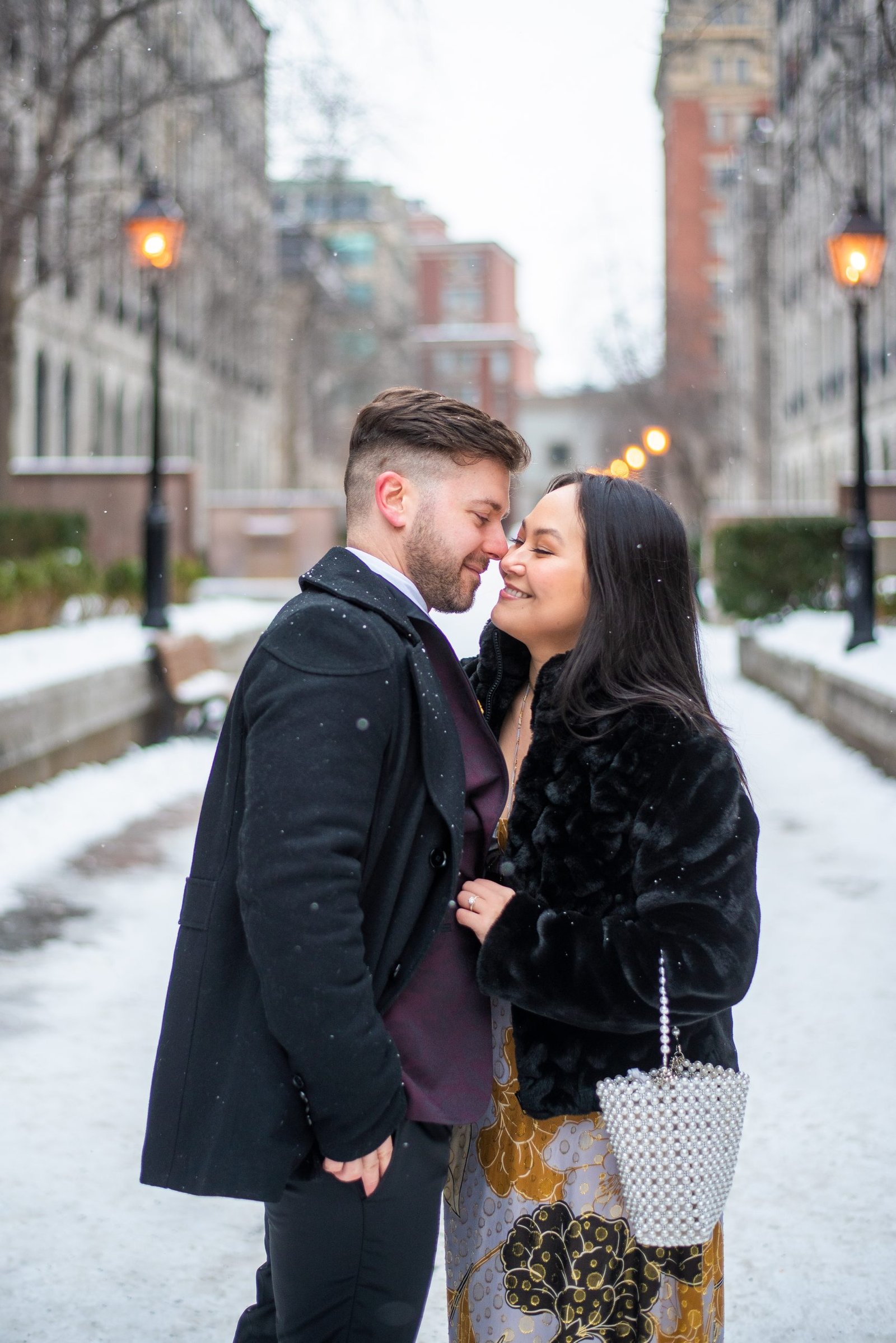
You’re newly engaged (Congrats!), you’re basking in that just-said-yes glow, and you’re already dreaming about how to capture this magical chapter of your love story. Cue: the engagement photoshoot. But here comes the million-dollar question, how do you find the right engagement photographer in Montreal who gets your vibe, captures your connection, and makes you look and feel amazing?