

Afro-Caribbean wedding storytelling preserves heritage, rhythm, and honest emotion in cinematic images and films made to honor your legacy with...
HELLO
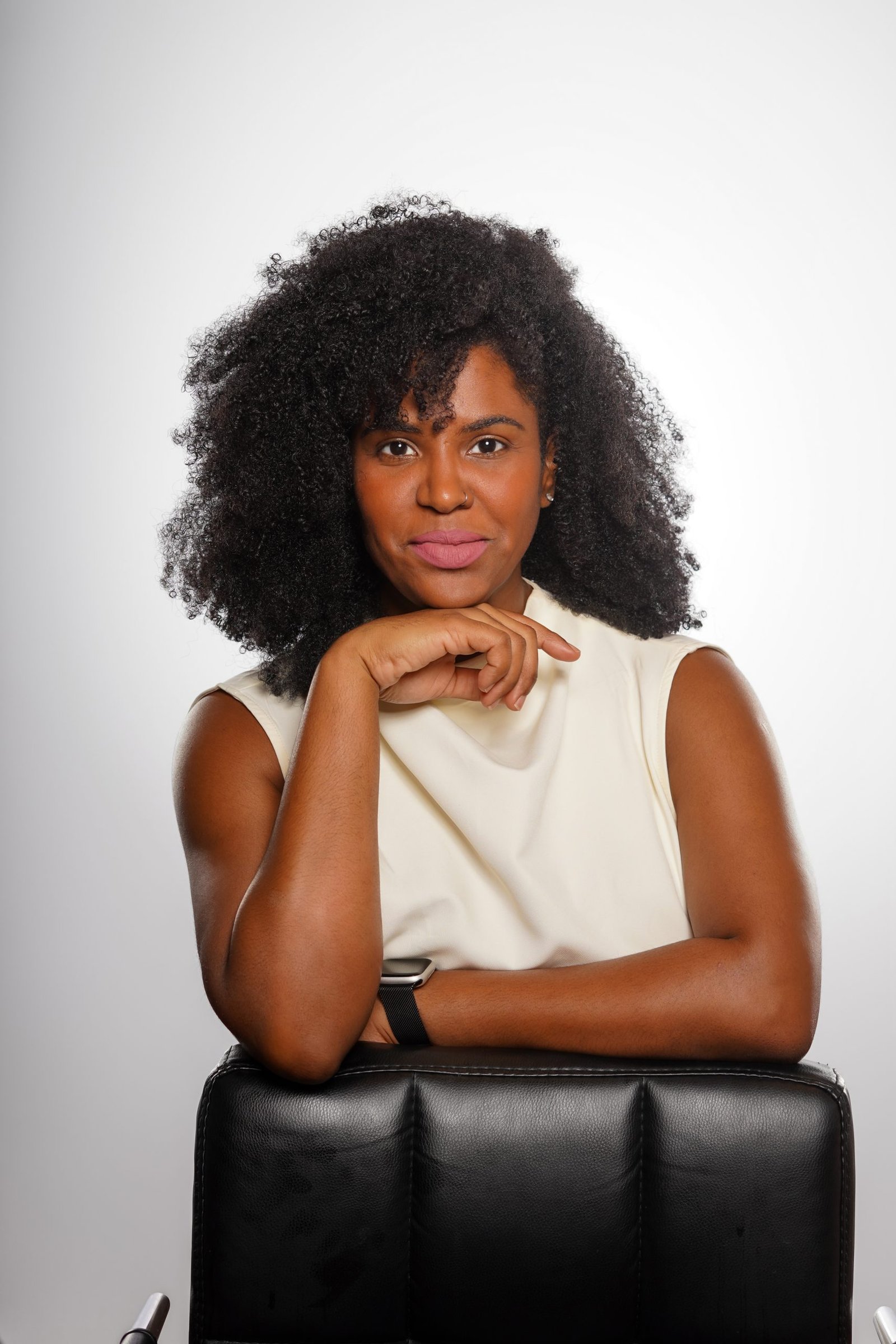
I’m Keyris a refined and editorial wedding photographer based in Montreal, specializing in local and destination weddings, as well as luxury elopements. With over 8 years of experience, I bring a unique and detailed eye to every love story, capturing moments that are authentic, timeless, and sophisticated.
As a dreamer and a determined, persistent woman, I find inspiration in the beauty of genuine connections and the natural world.
Whether it’s a quiet glance, a joyful laugh, or a breathtaking backdrop, I aim to preserve the magic of your special day through storytelling and fine art photography.
While I call Montreal home, my passion for capturing love stories has taken me across Canada and beyond including destination weddings in the Dominican Republic, as well as cities like Toronto and Ottawa. My services extend to both local and international weddings, ensuring that no matter where your love takes you, I can be there to document it.
Outside of photography, I’m a landscaper, chess player, and animal lover. These facets of my life enrich my perspective and approach to photography, allowing me to connect deeply with the stories I tell.
A guest sees your restaurant long before they step through the door. They see the glow of a cocktail, the texture of fresh pasta, the steam rising from a dish made to be shared. Food photography for restaurants is not simply about making a plate look pretty. It is about translating the feeling of being welcomed at your table into an image people can almost taste.
For an independent restaurant, a chef-led concept, or a hospitality brand with a strong point of view, those images carry real weight. They shape first impressions across menus, social media, press features, delivery platforms, and private-event materials. More than that, they give your food the presence it deserves.
Food Photography for Restaurants Starts With Atmosphere
The most memorable restaurant images do not treat food as an object floating against a blank background. They capture a point of view. A bowl of soup can feel comforting, celebratory, or refined depending on the light, the table setting, the hands in the frame, and the story surrounding it.
Before a shoot, it helps to define what guests should feel when they discover your restaurant. Is the experience intimate and candlelit? Bright, vibrant, and made for long lunches? Rooted in family recipes and cultural memory? Modern and precise? The answer guides every creative decision, from props and surfaces to framing and color.
This is where generic content often falls short. A technically clean image can still feel empty if it could belong to any restaurant. Your visuals should hold the details that make your place unmistakably yours: a signature garnish, hand-painted ceramics, the warmth of a shared table, or the gesture of a bartender finishing a drink.
Show More Than the Hero Dish
A beautiful close-up has its place, especially for a seasonal menu launch or a dish with exceptional texture. But a full visual collection needs rhythm. Guests want to understand the experience around the food, not just the food itself.
A thoughtful restaurant shoot usually includes a mix of plated dishes, ingredients, drinks, interiors, chef or team portraits, and human moments. This creates a library of images that can work across different needs without making every post or page feel repetitive.
Consider the difference between a single photo of grilled octopus and a sequence that shows the dish arriving at the table, a hand passing bread, a glass catching the late-afternoon light, and the room softly alive in the background. The first image says what is on the menu. The second makes someone want to make a reservation.
The details that create appetite
Texture is one of the quiet forces behind appetite. Crisp edges, glossy sauces, soft crumbs, fresh herbs, char, condensation, and the pull of melted cheese all bring a dish closer to the viewer. These details ask for intentional lighting and careful timing, because food changes quickly once it leaves the kitchen.
Movement matters, too. Pouring, slicing, sprinkling, lifting, and serving add a sense of life that still images can hold beautifully. Not every dish needs action, and forcing it can feel staged. But when a moment is genuine, it brings warmth and energy to the frame.
Let the Light Match the Dining Experience
Natural light is often celebrated in food photography, and for good reason. It can make ingredients feel fresh, colors feel true, and casual dining feel inviting. Yet it is not the answer for every restaurant.
A dark, romantic dining room may lose its character under bright, even lighting. In that setting, sculpted light can honor the mood guests come for: deep shadows, warm highlights, glassware with a subtle glow, and food that feels rich rather than flat. The goal is not to chase a trend. It is to photograph the truth of the space at its best.
Light also affects how food reads. Highly reflective sauces and glassware need control. Pale dishes may need separation from their background. A beautifully designed plate can disappear if the angle or light does not give it shape. These are small decisions, but together they determine whether the final image feels polished, dimensional, and delicious.
Plan the Shoot Around the Kitchen, Not Against It
Restaurant photography works best when it respects the pace of service. A rushed kitchen, melting ice, or a dish sitting too long under lights will show in the images. Good planning protects both the team and the result.
Choose a shoot window with enough breathing room, whether that means a closed afternoon, a quiet morning, or a carefully paced period before service. Build a shot list around menu priorities, but leave room for the unexpected moments that reveal personality. Sometimes the most compelling frame is not the planned hero image. It is a chef tasting a sauce, a server setting down a plate, or a guest reaching for the first bite.
It also helps to assign someone who can coordinate dishes and flag when each plate is ready at its peak. Photographers can guide styling and composition, but the kitchen knows the precise moment when a dish looks and tastes as intended. That collaboration is what keeps the work honest.
A shot list with purpose
Instead of photographing every menu item in the same way, decide what each image needs to do. Your core collection may include:
- Signature dishes that immediately communicate the menu
- Drinks, desserts, and shareable plates that support campaigns and social content
- Interior and exterior images that establish a sense of place
- Candid service and team moments that bring hospitality into view
- Vertical compositions for social media alongside wider images for menus and press
This approach creates variety while keeping the visual language cohesive. It also makes the investment work harder across the season.
Styling Should Support the Food, Not Compete With It
Restaurant styling is not about piling on props or making a dish look unlike what a guest will receive. It is about clarity. The plate should remain the focus, while linens, cutlery, ingredients, and background details quietly strengthen the story.
For some restaurants, a more editorial composition suits the brand: intentional negative space, precise placement, and an elevated stillness. For others, a table that looks joyfully lived-in is more truthful. Crumbs, napkins, half-poured wine, and hands can make the scene feel generous and real.
The right balance depends on your concept. A luxury tasting menu may call for restraint and elegant precision. A family-style Caribbean feast may ask for color, abundance, and the visible pleasure of gathering. Neither approach is better. What matters is whether the photographs honor the way people actually experience your food.
Why Consistency Builds Trust
A restaurant’s visual identity should feel connected wherever guests encounter it. If your website is moody and intimate but your social content is bright and random, the experience becomes harder to read. Consistency does not mean every image must use the same angle or palette. It means each image feels like it belongs to the same story.
That story should be recognizable in a single scroll. Perhaps it is warm candlelight and expressive hands. Perhaps it is clean daylight, bold color, and graphic plating. Perhaps it is the tenderness of recipes passed down through generations. When visual choices repeat with intention, people begin to remember the feeling your restaurant gives them.
For restaurants in Montreal, where guests have no shortage of memorable places to eat, distinct imagery can help a concept stay present in the mind long after someone has stopped scrolling. It gives a new guest a reason to be curious and a returning guest a reason to come back.
Photograph Food With Feeling
The strongest restaurant imagery does more than document a meal. It makes room for anticipation, connection, celebration, and memory. It honors the labor behind the plate while inviting people into the experience with sophistication and heart.
When you plan your next shoot, begin with the feeling you want to leave behind. Let the food be beautiful, of course, but let the images also carry the warmth of the room, the care in the service, and the story only your table can tell.
Stories Behind the Lens
Stories Behind the Lens
With a storyteller’s eye and a refined artistic approach, I work closely with couples to create timeless, emotionally resonant photographs. For over 8 years, I’ve had the joy of capturing love stories across Montreal and beyond, turning fleeting moments into lasting memories.
I built on a warm, personalized experience where every couple feels truly seen and at ease. Inspired by the beauty of natural light, genuine emotion, and human connection, I aim to craft imagery that honors the unique essence of your journey together.
Documentary Versus Editorial Wedding Photography
Documentary versus editorial wedding photography helps you choose images that feel candid, polished, and true to your celebration and legacy...

Personal Branding Photographer Montreal for Leaders
Choose a personal branding photographer Montreal professionals trust for refined, emotionally true images that make your next chapter visible with...
Working with the Nikon D850 and Nikon D750 cameras has brought numerous advantages to my photography sessions. These cameras have become my trusted companions, allowing me to capture stunning images across various settings. Let me walk you through why these two models are my favorites and how they enhance my photography.