
Wondering how long is a wedding highlight video? Learn the ideal runtime, what shapes it, and how to choose a...
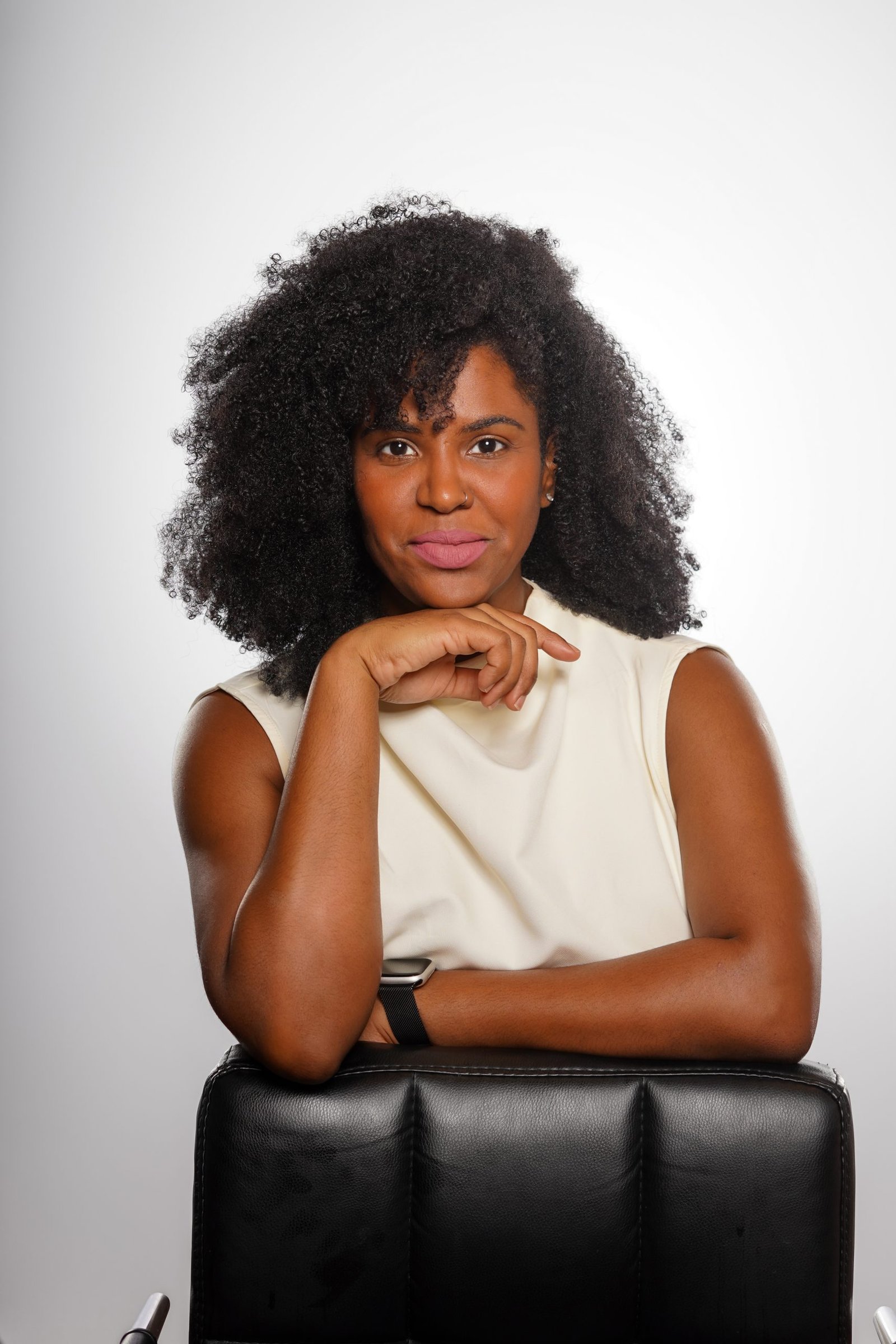
HELLO
I’m Keyris a refined and editorial wedding photographer based in Montreal, specializing in local and destination weddings, as well as luxury elopements. With over 8 years of experience, I bring a unique and detailed eye to every love story, capturing moments that are authentic, timeless, and sophisticated.
As a dreamer and a determined, persistent woman, I find inspiration in the beauty of genuine connections and the natural world.
Whether it’s a quiet glance, a joyful laugh, or a breathtaking backdrop, I aim to preserve the magic of your special day through storytelling and fine art photography.
While I call Montreal home, my passion for capturing love stories has taken me across Canada and beyond including destination weddings in the Dominican Republic, as well as cities like Toronto and Ottawa. My services extend to both local and international weddings, ensuring that no matter where your love takes you, I can be there to document it.
Outside of photography, I’m a landscaper, chess player, and animal lover. These facets of my life enrich my perspective and approach to photography, allowing me to connect deeply with the stories I tell.
A wedding film can hold the sweep of your walk down the aisle, the look on your partner’s face, and the hands reaching for one another. But it is your voice that brings you back to the moment. This wedding ceremony audio guide is for couples who want their vows, laughter, prayers, readings, and music to feel as alive years from now as they did in the room.
Beautiful ceremony audio is rarely accidental. It comes from a thoughtful plan shared by your videography team, officiant, DJ or sound technician, and venue. A few quiet conversations before the wedding can protect the words that matter most.
Why ceremony audio deserves real attention
Photographs preserve expression. Film lets you hear its meaning. The slight pause before a vow, your mother’s laugh during a reading, a spoken blessing in Creole, French, Spanish, or English – these are not background details. They are part of your family’s living history.
Couples often assume that a camera microphone will capture everything. In an intimate indoor ceremony, it may pick up a version of the moment. Outdoors, in a large room, or near city traffic, it will also hear wind, chairs shifting, air conditioning, passing sirens, and the soft echo of a distant voice. A cinematic film needs intentional sound sources close to the people speaking.
This does not mean your ceremony has to feel wired, staged, or overly technical. The best audio plan is discreet. It gives your creative team the tools to document the day while leaving you free to be fully present with each other.
Wedding ceremony audio guide: begin with your ceremony shape
Before anyone chooses a microphone, consider how the ceremony will unfold. Will you exchange personal vows? Are there readings, cultural traditions, live musicians, a unity ritual, or family members offering blessings? Is the ceremony outside, beneath a tent, in a church, or on a beach where the wind has its own opinion?
Each choice changes the audio approach. A short courthouse-style elopement may only require a small recorder on the officiant and a backup source for each partner. A multi-language ceremony with live music and several speakers needs a broader plan. Neither is more meaningful. They simply call for different coverage.
Share a final ceremony outline with your video team as soon as you have one. Include the names of speakers, the order of readings, whether you will use handheld or podium microphones, and any moments that must be preserved in full. If a grandparent is offering a prayer or a sibling is singing a song written for you, say so clearly. Those details help your team prepare, rather than react.
The voices that need to be heard
For most ceremonies, the priority is simple: both partners and the officiant need clean, close audio. Small lavalier microphones, often called lav mics, are typically hidden on clothing and connected to compact recorders. This setup captures natural speech without requiring either of you to hold anything.
One microphone on the officiant can be helpful, but it should not be the only plan. Your voices may be quieter when you turn toward one another, and fabric, wind, or a missed button can affect a single recording. Professional teams build redundancy. That might mean separate recorders on each partner, an officiant mic, and a feed from the venue or DJ sound system.
Readings and musical performances need their own consideration. If someone speaks at a podium, the sound system may provide a clean audio feed. If a loved one reads from their seat or sings without amplification, your videographer may position an additional recorder nearby. There is always a balance between pristine sound and an uncluttered ceremony space, which is why discussing priorities early matters.
Work with the people responsible for sound
Your videographer is not always the person controlling the ceremony speakers. Many venues have an in-house technician, and DJs often handle microphones and music. Introduce these vendors before the wedding day whenever possible. A shared plan prevents a common disappointment: the DJ has a beautiful mix at the speakers, but no safe output is available for the film team to record.
Ask whether a clean audio feed can be provided from the sound board. A clean feed is a direct recording of microphones and music before it travels through room speakers. It can be excellent, but it is not automatically perfect. If a reader uses a microphone that was never turned on, the sound board will not capture their words. That is why backup recorders still matter.
At the venue, ask about restrictions around microphones, cables, stands, and power access. Historic churches and sacred spaces may have firm rules. Some locations prohibit attaching equipment to clothing or placing recorders near the altar. An experienced team can adapt with discreet alternatives, but they need that information in advance.
Outdoor ceremonies need a weather-aware plan
An outdoor ceremony has a kind of magic no ballroom can imitate. It also brings audio challenges that are easy to underestimate. Wind can overwhelm a recording in seconds. Waves, traffic, planes, generators, and guests rustling programs may be more noticeable on film than they felt in person.
For a garden, rooftop, waterfront, or destination ceremony, wind protection on every microphone is essential. Your team may use small foam covers or more substantial windshields that remain nearly invisible on camera. Positioning matters too. Placing speakers away from direct wind, avoiding a noisy generator, and choosing a ceremony site with natural shelter can make a visible difference.
If you are planning a beach ceremony in the Dominican Republic or an outdoor celebration in Montreal, build in a short sound check close to ceremony time. Conditions can shift dramatically between morning and afternoon. A five-minute check can reveal whether the wind has picked up, whether a nearby event is using loud music, or whether the tide has changed the soundscape.
Let music support the story, not compete with it
Processional music sets the emotional temperature of the ceremony, but it should not cover the spoken moments. Ask whoever manages sound to fade music out before the officiant begins and to keep the volume gentle under any transition. A live string quartet, vocalist, or steelpan player can be unforgettable, yet placement and amplification should allow your vows to remain the center of the scene.
If you are including recorded songs in your wedding film, remember that public playback and film licensing are separate considerations. Your videographer can explain what may be possible for a private keepsake versus a film intended for public sharing. It is worth deciding this before you fall in love with a particular track for your trailer.
Also consider the emotional rhythm. Silence is not empty when you are standing across from the person you chose. A quiet breath before the vows or a swell of applause after the first kiss gives your film room to feel honest.
Give your words room to land
The clearest audio still benefits from a ceremony paced with care. Ask your officiant to remind speakers to use the microphone, speak slowly, and pause after meaningful lines. Encourage anyone offering a reading to practice with the text, especially if it carries names, languages, or family history that deserve to be pronounced with confidence.
Personal vows do not need to sound like a performance. They need to sound like you. Print them in a large, readable font rather than relying on a phone screen that may dim, lock, or distract. If tears come, take a breath. If laughter interrupts a line, let it. Those unscripted responses are often the heartbeat of the final film.
For multicultural ceremonies, do not feel pressure to translate every word in the moment. Let a blessing be spoken in the language that holds its deepest meaning. If you would like subtitles or a translation included in your film, share a written version with your videography team afterward. The original voice should remain present.
A simple conversation to have before the wedding
About two weeks before the celebration, confirm the audio plan with your planner, videographer, DJ, and officiant. You do not need to manage the technical details yourself, but everyone should know who is providing microphones and whether the video team can access the sound system.
Make sure the conversation covers these five points:
- Which people will wear or use microphones during the ceremony.
- Whether the videography team will receive an audio feed from the DJ, venue, or church system.
- Where readings and musical performances will happen.
- Any venue rules, weather concerns, or cultural moments that need special care.
- Who can help troubleshoot if a microphone or speaker needs attention before guests arrive.
Then release it. Once the plan is in place, you should not be thinking about batteries, cables, or recording levels as you prepare to walk down the aisle. Your only work is to meet each other there.
A well-recorded ceremony is more than clean sound. It is the return of a voice you may one day miss, a promise spoken with shaking hands, and the sound of everyone you love believing in your future. Plan for it with care, then let the moment be bigger than the plan.
Stories Behind the Lens
With a storyteller’s eye and a refined artistic approach, I work closely with couples to create timeless, emotionally resonant photographs. For over 8 years, I’ve had the joy of capturing love stories across Montreal and beyond, turning fleeting moments into lasting memories.
I built on a warm, personalized experience where every couple feels truly seen and at ease. Inspired by the beauty of natural light, genuine emotion, and human connection, I aim to craft imagery that honors the unique essence of your journey together.
15 Best Questions Before Booking a Videographer
The best questions before booking a videographer help you choose a filmmaker who honors your love, culture, and once-in-a-lifetime moments...

How a Corporate Headshot Photographer Builds Trust
A corporate headshot photographer creates more than a polished portrait: they help your team show up with confidence, warmth, and...
You’re newly engaged (Congrats!), you’re basking in that just-said-yes glow, and you’re already dreaming about how to capture this magical chapter of your love story. Cue: the engagement photoshoot. But here comes the million-dollar question, how do you find the right engagement photographer in Montreal who gets your vibe, captures your connection, and makes you look and feel amazing?