

Wondering how long is a wedding highlight video? Learn the ideal runtime, what shapes it, and how to choose a...
HELLO
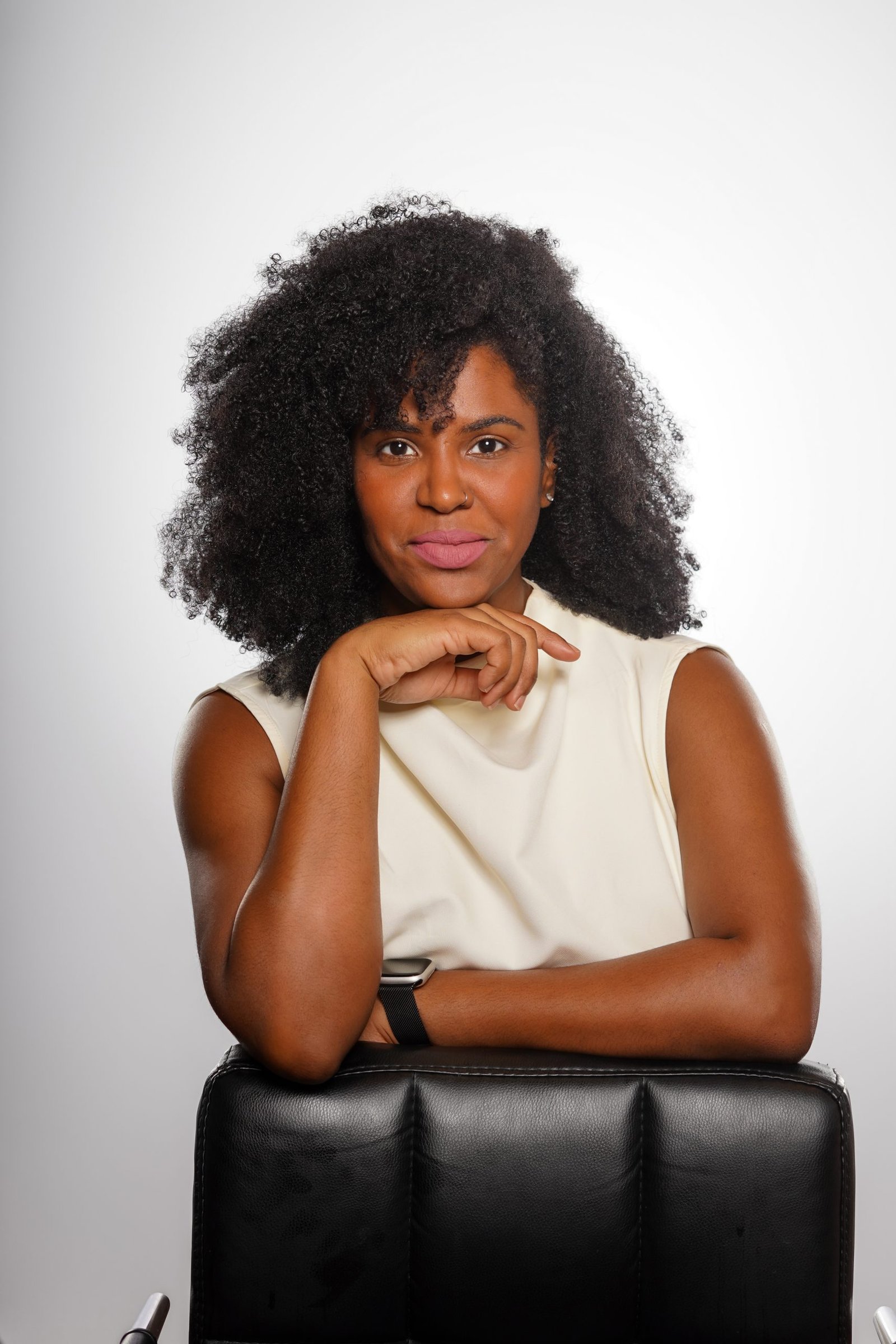
I’m Keyris a refined and editorial wedding photographer based in Montreal, specializing in local and destination weddings, as well as luxury elopements. With over 8 years of experience, I bring a unique and detailed eye to every love story, capturing moments that are authentic, timeless, and sophisticated.
As a dreamer and a determined, persistent woman, I find inspiration in the beauty of genuine connections and the natural world.
Whether it’s a quiet glance, a joyful laugh, or a breathtaking backdrop, I aim to preserve the magic of your special day through storytelling and fine art photography.
While I call Montreal home, my passion for capturing love stories has taken me across Canada and beyond including destination weddings in the Dominican Republic, as well as cities like Toronto and Ottawa. My services extend to both local and international weddings, ensuring that no matter where your love takes you, I can be there to document it.
Outside of photography, I’m a landscaper, chess player, and animal lover. These facets of my life enrich my perspective and approach to photography, allowing me to connect deeply with the stories I tell.
A beautiful product can still feel forgettable when it is placed on a plain surface without a point of view. Learning how to style product photos is less about filling the frame with pretty objects and more about creating a feeling your customer recognizes instantly: warm, refined, joyful, grounded, indulgent, or quietly luxurious.
For a candle maker, that feeling may live in the soft glow of evening light and a worn stone tray. For a food brand, it may be the movement of a hand reaching across the table, a linen napkin, and the promise of a shared meal. The details should never compete with the product. They should give it a world to belong to.
Begin With the Story Behind the Product
Before choosing a backdrop or pulling props from a shelf, decide what the image needs to say. Product styling works best when it begins with emotion, not decoration. Ask yourself how someone should feel when they see the photo, what kind of life the product belongs in, and what makes the brand distinct.
A handcrafted body oil might call for skin-like tones, sun-warmed textures, and a sense of ritual. A bold Caribbean spice blend might feel richer beside fresh ingredients, saturated color, and an inviting dining table. A sleek beauty product may need clean lines and generous negative space to communicate confidence and care.
Choose three words to guide each shoot. They can be as simple as “earthy, intimate, elevated” or “bright, playful, fresh.” Let those words shape every decision that follows. This small step keeps styling from becoming random and gives a collection of images a consistent visual language.
How to Style Product Photos Around a Hero
Every frame needs a clear hero. Usually, it is the product itself. That sounds obvious, but products often disappear when too many supporting pieces are introduced. A prop should earn its place by adding texture, scale, context, or story. If it does none of those things, remove it.
Start by placing the product where the eye naturally lands, then build outward. Work in layers: a surface or backdrop first, then one or two larger supporting elements, followed by smaller details. Leave breathing room around the hero product. Space is not empty when it gives an image a sense of calm and makes room for text in future marketing materials.
Pay attention to height. A photograph made entirely on one flat plane can feel static, especially for bottles, boxes, jars, or packaged goods. A small riser, a folded fabric, a ceramic dish, or a stack of books can create gentle variation. The goal is not to make the scene look busy. It is to give it dimension.
There is one exception: ecommerce images designed for a storefront often need clarity over atmosphere. On a clean white or neutral background, use styling sparingly or not at all. Save the more expressive setups for social media, campaigns, launch pages, and brand storytelling.
Choose Props That Feel Honest
The most compelling props feel connected to the product’s real life. They tell the viewer how something is used, gifted, enjoyed, or displayed. A coffee bag may sit beside a sculptural mug and scattered beans. A jewelry piece may be paired with silk, stone, or a handwritten note, depending on the brand’s personality.
Avoid collecting props just because they photograph well. A popular trend can quickly make a product image feel borrowed from someone else’s brand. Instead, look for materials with a natural relationship to your product: raw ingredients, tools of the craft, seasonal elements, packaging details, or objects your customer already keeps nearby.
Texture brings a frame to life. Linen softens light. Wood feels grounded. Glass creates reflection. Fruit, herbs, paper, metal, and ceramics each add their own visual voice. Mix textures with restraint. If the product packaging is already patterned or colorful, a quieter background will usually serve it better. If the packaging is simple, a textured surface can add warmth without taking over.
Let Light Carry the Mood
Light is often the difference between a styled scene that feels expensive and one that feels accidental. Window light is a beautiful starting point because it can be soft, directional, and full of dimension. Position the setup beside a window rather than directly in front of it, then watch how the light moves across labels, glass, and texture.
Soft light works especially well for skincare, food, handmade goods, and lifestyle brands that want a tender, approachable feel. Direct sunlight can be striking for products that want energy, contrast, and a little drama. Neither is automatically better. It depends on the story.
When the light is too harsh, diffuse it with a sheer curtain or white fabric. When one side of the product becomes too dark, place a white foam board just outside the frame to bounce light back in. These simple adjustments are often more effective than adding more equipment.
Be mindful of reflective packaging. Glossy boxes, metallic labels, and glass bottles can catch unwanted reflections from windows, cameras, or the room itself. Shift the product by a few inches, change the camera angle, or soften the light before assuming the product is difficult to photograph. Small changes can transform the result.
Build a Color Palette, Not a Color Pile
Color creates emotion before a customer reads a single word. A thoughtful palette makes your products recognizable across a website, a launch campaign, and a social feed. Begin with the colors already present in the product and its packaging, then choose supporting tones that complement rather than duplicate them.
For example, a terracotta label may feel beautiful with cream, warm brown, and faded rose. A deep blue product can feel sophisticated against stone, charcoal, soft gray, or a pale sand tone. Use one dominant color, one supporting color, and one small accent as a helpful starting point.
If your brand is colorful, you do not need to use every shade in every image. Editing is part of elegance. A limited palette gives the eye somewhere to rest and helps the product remain the visual anchor.
Add Life Without Losing Focus
A hand entering the frame, a ribbon being untied, a spoon lifting a sample, or a product placed into a bag can turn a still image into a moment. These gestures create connection because they show the product in use rather than treating it like an object behind glass.
Human elements work particularly well for brands built around care, celebration, hospitality, and ritual. Keep hands well-groomed and wardrobe choices aligned with the palette. The person does not need to be fully visible. Often, a small glimpse is enough to make the image feel lived in.
Movement can be equally powerful. Pouring, sprinkling, opening, slicing, wrapping, and arranging all create natural energy. Use a faster shutter speed if you need to freeze an action, or allow a little motion blur when the brand story calls for something more editorial and expressive.
Photograph More Than One Composition
One setup can give you an entire gallery when you vary the angle and crop with intention. Capture a wide image that establishes the scene, a closer frame that shows the product clearly, and detail images that celebrate texture, ingredients, or packaging. Try an overhead composition, a straight-on image, and a close side angle before taking the set apart.
This approach gives your marketing room to breathe. A wide horizontal image may work beautifully for a website banner, while a vertical crop can support a social post or story. Detail images create rhythm between fuller scenes and help customers appreciate the craftsmanship they may otherwise miss.
As you shoot, check the label, edges, and shadows. Make sure text is readable when it needs to be, the product is clean, and the composition does not have awkward tangents where objects appear to collide. These quiet refinements are what make a photograph feel polished.
Edit for Consistency, Not Perfection
Editing should preserve the atmosphere you worked to create. Keep colors believable, whites clean without turning cold, and skin tones natural if hands or people appear in the frame. A consistent edit across a product collection makes a brand feel considered and trustworthy.
Do not edit away every shadow, wrinkle, crumb, or trace of real life. For some products, a perfectly sterile frame can weaken the sense of warmth and craft. The right amount of imperfection depends on the brand. A luxury fragrance may need precision; a fresh-baked dessert can be even more tempting with a few scattered crumbs.
The most memorable product photos do more than show what is for sale. They make room for someone to imagine the product in their own hands, home, table, or daily ritual. Style with that imagined moment in mind, and let every surface, color, and sliver of light serve the story.
Stories Behind the Lens
With a storyteller’s eye and a refined artistic approach, I work closely with couples to create timeless, emotionally resonant photographs. For over 8 years, I’ve had the joy of capturing love stories across Montreal and beyond, turning fleeting moments into lasting memories.
I built on a warm, personalized experience where every couple feels truly seen and at ease. Inspired by the beauty of natural light, genuine emotion, and human connection, I aim to craft imagery that honors the unique essence of your journey together.

15 Best Questions Before Booking a Videographer
The best questions before booking a videographer help you choose a filmmaker who honors your love, culture, and once-in-a-lifetime moments...

How a Corporate Headshot Photographer Builds Trust
A corporate headshot photographer creates more than a polished portrait: they help your team show up with confidence, warmth, and...
You’re newly engaged (Congrats!), you’re basking in that just-said-yes glow, and you’re already dreaming about how to capture this magical chapter of your love story. Cue: the engagement photoshoot. But here comes the million-dollar question, how do you find the right engagement photographer in Montreal who gets your vibe, captures your connection, and makes you look and feel amazing?