

Afro-Caribbean wedding storytelling preserves heritage, rhythm, and honest emotion in cinematic images and films made to honor your legacy with...
HELLO
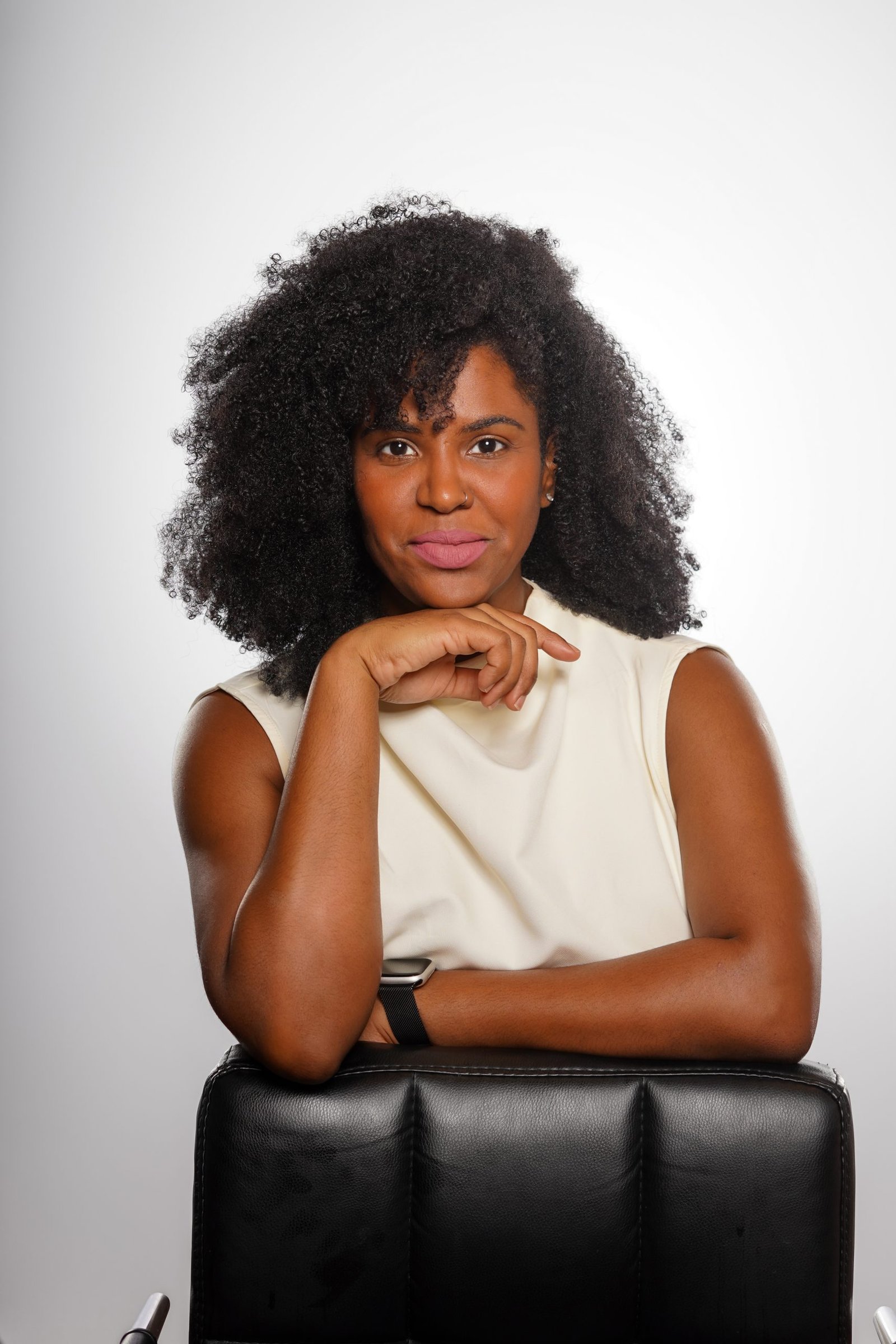
I’m Keyris a refined and editorial wedding photographer based in Montreal, specializing in local and destination weddings, as well as luxury elopements. With over 8 years of experience, I bring a unique and detailed eye to every love story, capturing moments that are authentic, timeless, and sophisticated.
As a dreamer and a determined, persistent woman, I find inspiration in the beauty of genuine connections and the natural world.
Whether it’s a quiet glance, a joyful laugh, or a breathtaking backdrop, I aim to preserve the magic of your special day through storytelling and fine art photography.
While I call Montreal home, my passion for capturing love stories has taken me across Canada and beyond including destination weddings in the Dominican Republic, as well as cities like Toronto and Ottawa. My services extend to both local and international weddings, ensuring that no matter where your love takes you, I can be there to document it.
Outside of photography, I’m a landscaper, chess player, and animal lover. These facets of my life enrich my perspective and approach to photography, allowing me to connect deeply with the stories I tell.
A beautiful product image can do more than show what you sell. Brand storytelling through product photography gives people a feeling to hold onto before they ever place an order. It tells them whether your brand is celebratory, intimate, bold, comforting, refined, or rooted in a particular culture and way of living.
For service-led businesses and product brands alike, this is where visual strategy becomes personal. The right photograph does not simply say, “Here is the item.” It says, “This is the life, ritual, memory, or confidence this item belongs to.”
Why a Product Alone Is Not the Whole Story
A clean, well-lit product shot has its place. Customers need to see texture, scale, color, and detail clearly, especially when they are deciding whether to purchase online. But a white-background image rarely carries the full emotional weight of a brand.
People remember how a brand made them feel. A bottle of fragrance on a bathroom counter may communicate luxury, but the same bottle resting beside a handwritten note, soft linen, and the warmth of morning light can suggest self-care, romance, and an intentional daily pause. The product is still visible. Its meaning has simply become richer.
This distinction matters in crowded markets. If ten businesses sell a similar candle, skincare product, bottle of wine, or curated gift box, the brand that creates an atmosphere around it has more room to be remembered. Story gives the customer a reason to care beyond price and convenience.
Brand Storytelling Through Product Photography Begins With Feeling
Before choosing props, backdrops, or locations, begin with a more revealing question: what should someone feel when they see this image?
The answer should be specific. “Luxury” can mean many things. For one brand, it may be moody shadows, deep colors, and a slow, private evening. For another, it may be sunlit minimalism, sculptural packaging, and a sense of quiet ease. “Joy” might look like bright color and movement, or it might look like a family gathering where the product becomes part of a meaningful tradition.
A strong visual direction connects that feeling to the people you want to serve. A Caribbean-inspired food brand may draw from the warmth of a shared table, vibrant ingredients, and the gestures that happen before the first bite. A bridal accessory line may focus on anticipation: a hand fastening an earring, a gown in soft focus, a mother’s smile just outside the frame. Neither story needs to be overly literal. It only needs to feel true.
When the mood is clear, the creative choices become more natural. Light, setting, wardrobe, styling, and composition all begin speaking the same visual language.
Give Your Product a Role in a Real Moment
The most compelling product photographs often show an item in relationship to a person, place, or ritual. This does not mean every image needs a full lifestyle scene. It means the product should feel connected to life rather than isolated from it.
A coffee brand might photograph the pour, the steam, the hands around the mug, and the half-finished conversation at the kitchen table. A jewelry brand might show close details of the piece, then place it within the emotion of getting ready for an anniversary dinner or wedding morning. A beauty product can live in a carefully styled still life, but a second image of it being used can add warmth, scale, and trust.
Think of each image as a scene in a larger film. There are establishing images that set the mood, detail shots that honor craftsmanship, and human moments that make the story breathe. Together, they create more depth than one perfect hero image can carry alone.
Show the Details That Support Belief
Storytelling should never hide the product. If the packaging is thoughtful, photograph the finish of the label, the curve of the glass, the texture of the box, or the care in the unboxing experience. If an ingredient is central to the product’s identity, show it with intention.
These details help customers understand quality without being told repeatedly that something is premium. A close-up of textured handmade paper, carefully piped frosting, or the glint of a finely made clasp can communicate care more powerfully than a long caption.
There is a balance, though. Too many props can make the image feel busy and leave the product fighting for attention. Every object in the frame should have a purpose: to add context, reinforce mood, or guide the eye back to what is being sold.
Build a Visual World, Not a Collection of Random Images
Consistency is what turns individual photographs into a recognizable brand presence. Your social feed, website, campaign images, and printed materials do not need to look identical, but they should feel as though they belong to the same world.
That world may be defined by warm skin tones, soft directional light, rich shadows, clean architecture, expressive hands, organic materials, or a recurring palette. It may also be shaped by the pace of the imagery. Some brands feel energetic and spontaneous. Others feel spacious, romantic, and composed.
A visual world becomes especially valuable when your business has an emotional point of view. If your brand is built around heritage, celebration, nourishment, or connection, generic stock-style imagery can weaken the message. Customers can sense when an image is aesthetically pleasing but emotionally disconnected from the people it claims to represent.
For brands serving culturally specific communities, representation is not an afterthought. The hands, homes, tables, textures, and faces included in your campaign should carry real consideration. The goal is not to decorate a concept with culture. It is to let the brand’s actual story shape the images from the beginning.
Plan the Shoot Around How Images Will Be Used
A thoughtful product shoot starts with the final destinations for the photographs. A wide website banner needs different framing than a vertical social post. An email header requires negative space for text, while an online store needs clean images that answer practical questions quickly.
Planning this in advance protects both the creative idea and the investment. During a shoot, capture a mix of wide scenes, medium compositions, close details, and vertical and horizontal options. This gives your brand room to tell one cohesive story across many touchpoints without repeating the exact same photograph.
It also helps to separate your needs into two visual modes. Conversion-focused images are clear, informative, and direct. Editorial images are more atmospheric and memorable. Most businesses need both. The first helps someone make a decision; the second gives them a reason to want the brand in their life.
Let Light Match the Emotional Tone
Light is one of the fastest ways to change the emotional language of an image. Soft window light can feel intimate and honest. Direct flash can feel playful, modern, and fashion-forward. Deep shadow can create drama and sensuality, while bright even light can make a product feel fresh, accessible, and clean.
There is no universally “best” lighting style. A natural skincare brand may need brightness and transparency, while a fine chocolate or cocktail brand may benefit from richer contrast and more dramatic mood. What matters is that the light supports the promise your brand makes.
Avoid chasing visual trends just because they are popular for a season. A trend can be useful when it fits your existing identity. If it asks you to abandon the feeling your audience already recognizes, it may create attention without building trust.
Create Enough Space for Authenticity
Even a carefully styled product campaign benefits from moments that are not overly controlled. A linen napkin slightly shifted by a hand, a trace of flour on a counter, a laugh in the background, or a natural reflection in a glass can make an image feel lived in.
That does not mean sacrificing polish. It means allowing the scene to have a pulse. The strongest luxury imagery often feels effortless because every detail has been considered, while the final frame still leaves room for warmth and life.
For a business in Montreal, Toronto, Ottawa, or the Dominican Republic, location can become part of that story when it is genuinely connected to the brand. A local bakery may be shaped by the morning rhythm of its neighborhood. A destination-focused product may call for sun, movement, and a sense of place. Use location as a meaningful layer, not as a backdrop added only for decoration.
Let the Image Carry the Invitation
Product photography is most powerful when it respects the viewer’s imagination. You do not need to explain every emotion in the frame. Let the photograph offer an invitation: to imagine the dinner, the celebration, the quiet morning, the gift being opened, or the confidence that comes with choosing something made with care.
That is the work of a lasting brand image. It makes the product clear, but it makes the customer feel seen, too. When your visual story is honest, refined, and rooted in real feeling, the right people will recognize themselves in it long before they become customers.
Stories Behind the Lens
Stories Behind the Lens
With a storyteller’s eye and a refined artistic approach, I work closely with couples to create timeless, emotionally resonant photographs. For over 8 years, I’ve had the joy of capturing love stories across Montreal and beyond, turning fleeting moments into lasting memories.
I built on a warm, personalized experience where every couple feels truly seen and at ease. Inspired by the beauty of natural light, genuine emotion, and human connection, I aim to craft imagery that honors the unique essence of your journey together.
Documentary Versus Editorial Wedding Photography
Documentary versus editorial wedding photography helps you choose images that feel candid, polished, and true to your celebration and legacy...

Personal Branding Photographer Montreal for Leaders
Choose a personal branding photographer Montreal professionals trust for refined, emotionally true images that make your next chapter visible with...
Working with the Nikon D850 and Nikon D750 cameras has brought numerous advantages to my photography sessions. These cameras have become my trusted companions, allowing me to capture stunning images across various settings. Let me walk you through why these two models are my favorites and how they enhance my photography.