
Wondering how long is a wedding highlight video? Learn the ideal runtime, what shapes it, and how to choose a...
HELLO
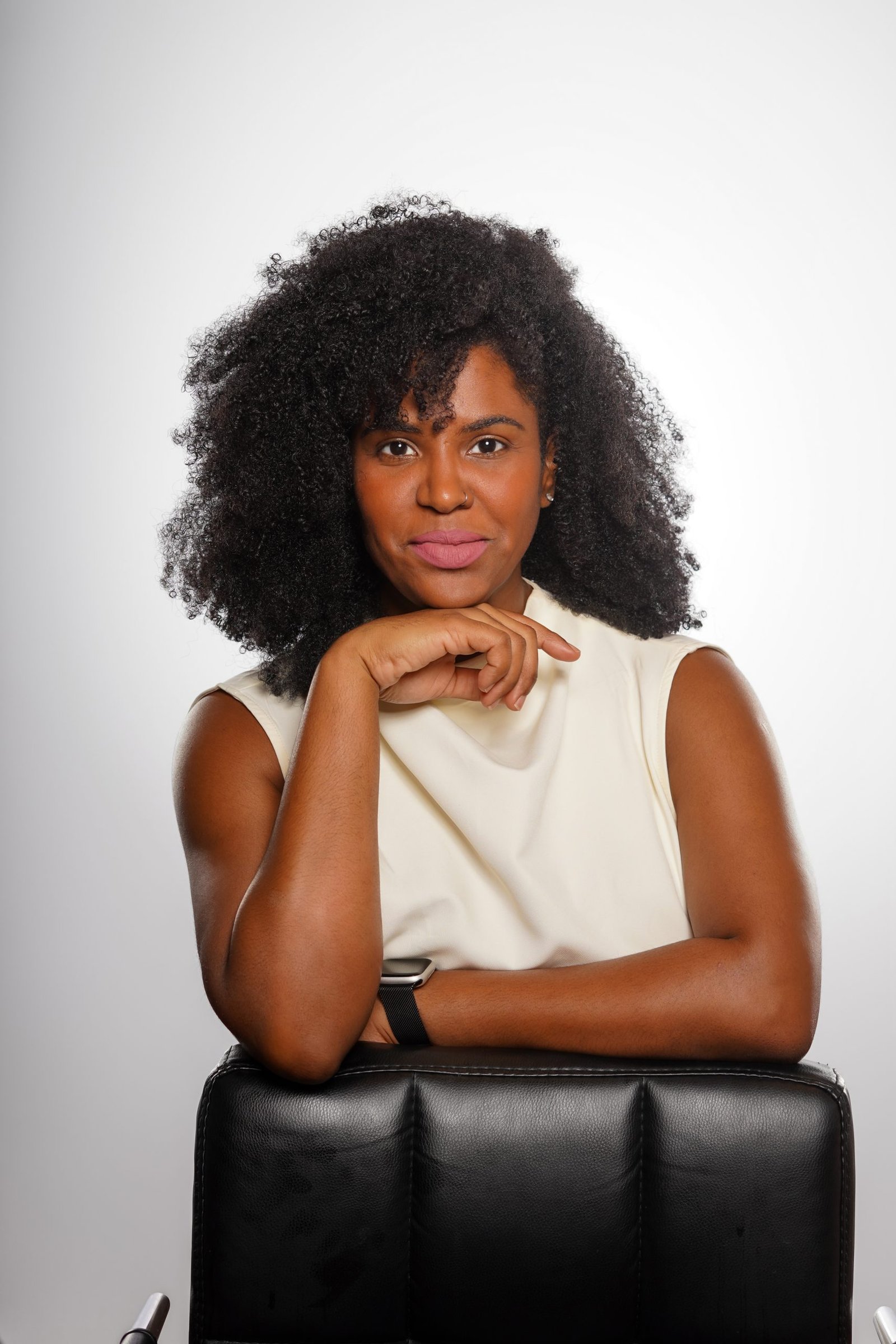
I’m Keyris a refined and editorial wedding photographer based in Montreal, specializing in local and destination weddings, as well as luxury elopements. With over 8 years of experience, I bring a unique and detailed eye to every love story, capturing moments that are authentic, timeless, and sophisticated.
As a dreamer and a determined, persistent woman, I find inspiration in the beauty of genuine connections and the natural world.
Whether it’s a quiet glance, a joyful laugh, or a breathtaking backdrop, I aim to preserve the magic of your special day through storytelling and fine art photography.
While I call Montreal home, my passion for capturing love stories has taken me across Canada and beyond including destination weddings in the Dominican Republic, as well as cities like Toronto and Ottawa. My services extend to both local and international weddings, ensuring that no matter where your love takes you, I can be there to document it.
Outside of photography, I’m a landscaper, chess player, and animal lover. These facets of my life enrich my perspective and approach to photography, allowing me to connect deeply with the stories I tell.
A great headshot does not start when the camera comes out. It starts earlier – when you choose clothing that feels like you, when you give yourself enough time to breathe, and when you walk into the session without trying to perform. If you have been wondering how to get ready for headshots, the goal is not to become someone more polished than you really are. It is to show up as the strongest, most grounded version of yourself.
That matters more than people think. A headshot is often your first introduction before a handshake, a meeting, or a conversation. Whether you need images for your business, your personal brand, your corporate profile, or a creative portfolio, the best photos feel clear, honest, and intentional.
How to Get Ready for Headshots Without Overthinking It
The most flattering headshots usually come from a simple truth: when you feel comfortable, you look confident. Not forced. Not stiff. Not overly styled. Just present.
That means preparation should support you, not overwhelm you. You do not need a brand-new wardrobe, dramatic hair changes, or a dozen backup plans. You need a few thoughtful choices that photograph well and still feel aligned with your personality, your work, and the story you want your image to tell.
Start with the purpose of the session. A realtor, therapist, founder, speaker, and creative director may all need headshots, but not the same kind. If your work is polished and corporate, your styling should reflect that. If your brand is warm, artistic, and personal, a softer and more expressive look may serve you better. The question is not simply, What looks good? It is, What feels true to the way I want to be remembered?
Choose Clothing That Feels Elevated and Easy
Outfits can make a huge difference, but not because they need to be trendy. In headshots, timeless almost always wins.
Solid colors tend to photograph better than busy prints. Rich neutrals, jewel tones, soft earth tones, and classic black, cream, navy, or camel usually create a clean and refined result. Loud patterns, tiny stripes, and logos can distract from your face, which should remain the focus.
Fit matters just as much as color. Clothing that is too tight can feel restrictive and show tension in your posture. Clothing that is too loose can look shapeless on camera. The sweet spot is something tailored enough to give structure, while still letting you move naturally.
Necklines also shape the portrait more than many people expect. A blazer adds polish. A blouse with a clean neckline can feel elegant and approachable. A well-fitted knit can soften the overall look without appearing casual. If you are choosing between two outfits, the better option is usually the one you can forget you are wearing.
If your session allows more than one look, bring variety with intention. Instead of packing five similar outfits, bring two or three that create a distinct shift. For example, one can feel formal and authoritative, while another feels relaxed and personable. That range gives you images for different uses without making the session feel scattered.
Grooming Should Feel Like You on a Good Day
The camera notices details, but that does not mean you need to chase perfection. In fact, overdoing grooming often makes people feel less like themselves.
Hair is best when it looks like your best everyday version, not an unfamiliar makeover. If you color your hair, try to schedule touch-ups a few days before the session rather than the same day. If you are planning a haircut, give it enough time to settle so it feels natural. Fresh cuts can sometimes photograph a little too sharp at first.
Makeup, when worn, should enhance rather than mask. A polished, camera-ready look usually means evening out the skin, reducing shine, and adding subtle definition around the eyes and lips. Heavy contour, glitter, or very trend-driven looks can date a photo quickly. If you do not normally wear much makeup, there is no need to become someone else for your session. Soft and refined is often more powerful than dramatic.
For men, simple grooming goes a long way. Trim facial hair cleanly, moisturize the skin, and pay attention to details like eyebrows, lips, and under-eye dryness. If you shave, do it with enough time to avoid irritation. If you keep a beard, shape it neatly.
Hands may not be the star of a headshot, but they sometimes appear in close framing. Clean nails and moisturized skin help the entire image feel finished.
Rest Changes Everything
There is no product that replaces sleep. Rested eyes, relaxed skin, and a calmer expression all show up in photographs.
The night before your session, try not to crowd your schedule. Drink water, get enough sleep, and avoid anything that tends to leave you puffy, dehydrated, or tense the next morning. That does not mean you need a perfect wellness routine. It simply means treating the session like something worth arriving to with care.
On the day of your shoot, give yourself extra time. Rushing is one of the fastest ways to carry stress into your face and body. When you arrive flustered, your shoulders tighten, your jaw sets, and it takes longer to settle into the moment. A little margin changes the energy of the entire session.
What to Bring to Your Headshot Session
If you want to feel prepared without carrying your whole closet, keep it simple. Bring your selected outfits steamed and ready, along with any undergarments that work with each look. A lint roller, a small brush or comb, oil blotting sheets or powder, lip balm, and a bottle of water are genuinely useful.
If glasses are part of your daily look, bring them. If they create glare, your photographer can help adjust posing or angles. If you never wear them in real life, there is no reason to force them into the image just because they look professional.
Jewelry should support the portrait, not compete with it. Delicate, classic pieces usually work beautifully. If an accessory constantly needs fixing or steals attention every time you move, it is probably not the right choice for headshots.
Mindset Is Part of the Preparation
This is the piece people often skip, and it may be the most important one.
Many clients arrive worried about being photogenic. They think their smile is awkward, one side is better than the other, or they never know what to do with their face. The truth is, most people are not bad at being photographed. They are just uncomfortable at first.
Your job is not to know how to pose like a model. Your job is to arrive open, patient, and willing to be guided. A strong photographer will help with posture, angles, expression, and those tiny adjustments that make all the difference. What you can do is let go of the pressure to control every detail.
Before the session, think about the feeling you want the final images to carry. Maybe you want to appear grounded and trustworthy. Maybe warm and approachable. Maybe quietly powerful. That emotional direction is more helpful than obsessing over one perfect smile.
If it helps, create a short phrase for yourself before stepping in front of the camera. Something like, I am here as I am. Or, I want these images to feel calm and confident. It sounds small, but that kind of internal cue can soften your expression and steady your body language.
A Few Things to Avoid Before Headshots
Big last-minute changes rarely help. Avoid trying a new self-tanner, a dramatic haircut, unfamiliar makeup, or cosmetic treatments right before the session. Even if everything goes well, new choices can still leave you feeling unlike yourself.
It is also wise not to overpack. Too many outfit options can create stress and indecision. Choose your looks ahead of time, try them on fully, and make sure each one fits well when you sit, stand, and move.
Most of all, avoid chasing perfection. The best headshots are not sterile. They have life in them. A little softness, warmth, and humanity will always feel more compelling than a photograph that is technically polished but emotionally empty.
How to Get Ready for Headshots That Still Feel Personal
If your work is personal, client-facing, or story-driven, your headshot should not feel generic. That does not mean it needs to be overly creative. It means it should hold a sense of presence.
This is where thoughtful styling, natural expression, and trust in the process come together. A strong headshot can look luxurious and still feel intimate. It can be polished without becoming cold. It can communicate professionalism while still leaving room for personality, culture, and warmth.
For clients who want imagery that feels both elevated and honest, that balance matters deeply. It is one of the reasons headshots can be so powerful when approached with care.
If you are preparing for a session in Montreal or beyond, remember this: you do not need to arrive as the most camera-ready person in the room. You only need to arrive prepared enough to feel at ease, and open enough to be seen.
The most memorable headshots are not about looking perfect. They are about looking like someone people can trust, recognize, and remember.
Stories Behind the Lens
Stories Behind the Lens
With a storyteller’s eye and a refined artistic approach, I work closely with couples to create timeless, emotionally resonant photographs. For over 8 years, I’ve had the joy of capturing love stories across Montreal and beyond, turning fleeting moments into lasting memories.
I built on a warm, personalized experience where every couple feels truly seen and at ease. Inspired by the beauty of natural light, genuine emotion, and human connection, I aim to craft imagery that honors the unique essence of your journey together.
15 Best Questions Before Booking a Videographer
The best questions before booking a videographer help you choose a filmmaker who honors your love, culture, and once-in-a-lifetime moments...
How a Corporate Headshot Photographer Builds Trust
A corporate headshot photographer creates more than a polished portrait: they help your team show up with confidence, warmth, and...
Working with the Nikon D850 and Nikon D750 cameras has brought numerous advantages to my photography sessions. These cameras have become my trusted companions, allowing me to capture stunning images across various settings. Let me walk you through why these two models are my favorites and how they enhance my photography.