
Afro-Caribbean wedding storytelling preserves heritage, rhythm, and honest emotion in cinematic images and films made to honor your legacy with...
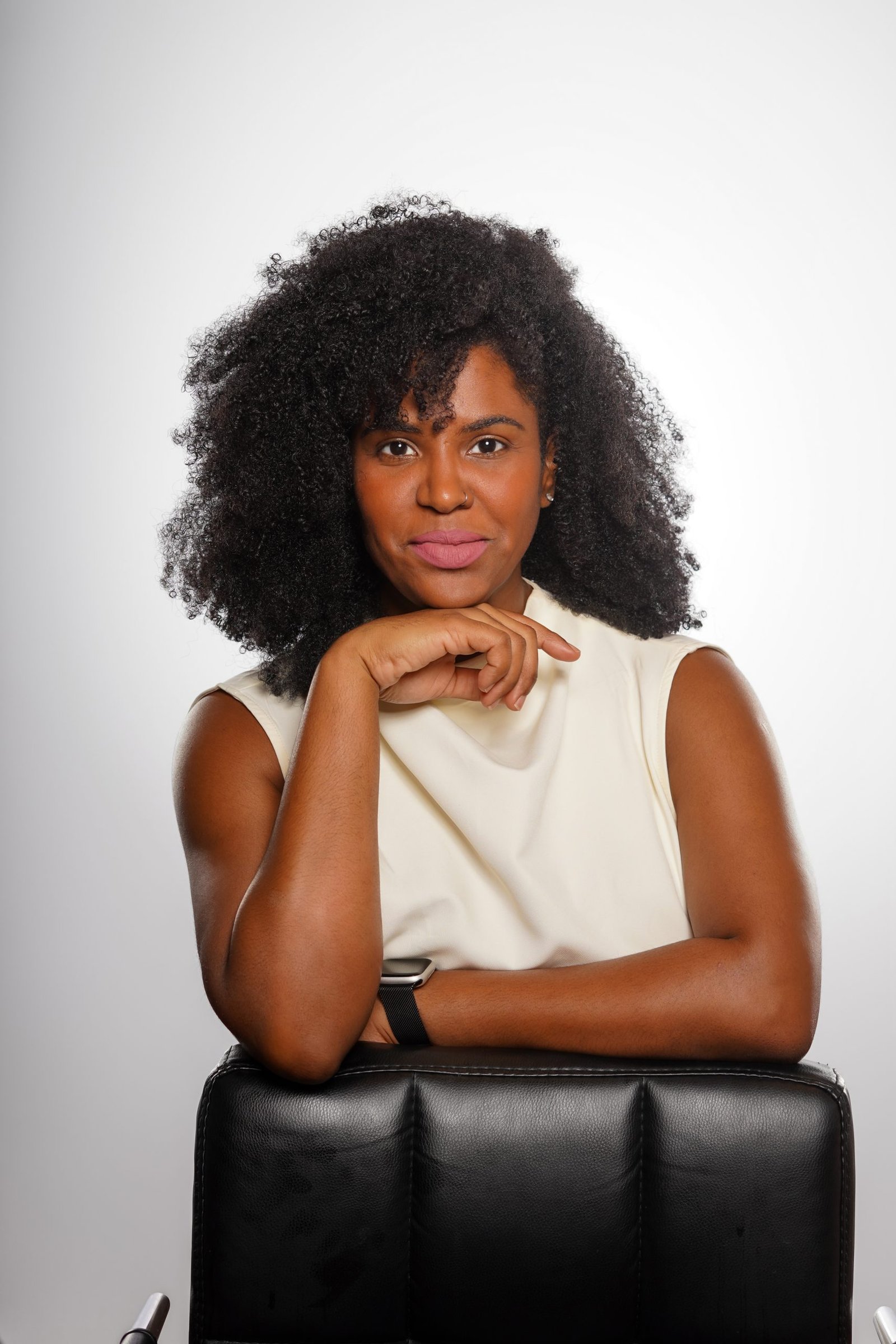
HELLO
I’m Keyris a refined and editorial wedding photographer based in Montreal, specializing in local and destination weddings, as well as luxury elopements. With over 8 years of experience, I bring a unique and detailed eye to every love story, capturing moments that are authentic, timeless, and sophisticated.
As a dreamer and a determined, persistent woman, I find inspiration in the beauty of genuine connections and the natural world.
Whether it’s a quiet glance, a joyful laugh, or a breathtaking backdrop, I aim to preserve the magic of your special day through storytelling and fine art photography.
While I call Montreal home, my passion for capturing love stories has taken me across Canada and beyond including destination weddings in the Dominican Republic, as well as cities like Toronto and Ottawa. My services extend to both local and international weddings, ensuring that no matter where your love takes you, I can be there to document it.
Outside of photography, I’m a landscaper, chess player, and animal lover. These facets of my life enrich my perspective and approach to photography, allowing me to connect deeply with the stories I tell.
The most beautiful wedding photographs are rarely made in a rushed five-minute window between ceremony and cocktails. They happen when you have enough space to breathe, hold your partner’s hand, greet the people who raised you, and feel the weight of the moment. That is the real secret behind how to plan wedding timeline: build a day that protects the experience first, then lets the visuals follow naturally.
A wedding timeline is not just a schedule. It is the rhythm of your celebration. It determines whether your morning feels peaceful or frantic, whether family portraits feel warm or exhausting, and whether you actually get to eat the meal you chose with such care. The goal is not to account for every second. It is to create structure around the moments that matter most.
Start With the Moments You Want to Feel
Before assigning times, decide what you want your wedding day to hold. Maybe it is a slow morning with your closest friends, a private first look, a lively church exit, a traditional tea ceremony, a Caribbean family portrait with grandparents, or ten quiet minutes alone after the ceremony. These are not extras. They are the heart of the day.
Talk together about what you do not want to compromise. Couples who value documentary-style imagery often want room for unscripted connection: a parent seeing them dressed for the first time, friends dancing before the reception doors open, or the embrace that happens after a meaningful vow. Those moments cannot be staged on command, but they are far more likely to happen when the timeline is not packed too tightly.
Choose three priorities, then let them guide your decisions. If sunset portraits matter deeply to you, protect that window. If being present at cocktail hour matters more, consider a first look and complete most formal portraits before the ceremony. There is no universal perfect timeline, only one that reflects your values.
Build Your Wedding Timeline From the Ceremony Time
The ceremony is the anchor point. Once you know when it begins, work backward for preparation and forward for portraits, cocktails, dinner, and dancing. This approach keeps the biggest transition points clear and prevents the day from becoming a collection of disconnected appointments.
Give Getting Ready More Time Than You Think
Hair and makeup delays are common, especially with a larger wedding party or multiple locations. Add a cushion before everyone needs to be dressed, and make sure the person getting married is not scheduled to be the last one in the chair. Being ready early creates space for portraits, detail photographs, and a meaningful reveal with a parent or partner.
For most weddings, photography coverage during preparations begins when makeup is nearing completion, not at the first brushstroke. Plan for detail photographs, getting dressed, a few relaxed portraits, and candid moments with your people. If robes, matching outfits, gifts, champagne, or cultural garments are part of the morning, mention them in advance so they can be photographed with intention rather than squeezed in at the end.
Keep the room calm. A beautiful suite, tidy surfaces, soft window light, and only the people who make you feel grounded can transform the tone of those first images. Luxury often looks like ease.
Decide Whether a First Look Serves Your Day
A first look is not required, and it is never the only emotional option. Some couples want the anticipation of seeing each other at the ceremony for the first time. Others want a private moment where they can speak, embrace, and settle their nerves before the celebration begins.
From a timeline perspective, a first look can be incredibly helpful. It allows couple portraits, wedding party photographs, and many family groupings to happen before the ceremony. That means you can attend more of your cocktail hour, especially valuable if you have planned a destination wedding or are hosting guests who have traveled far to celebrate with you.
If you prefer a traditional first look at the aisle, protect time after the ceremony for portraits. Guests will understand a short pause, but it should be planned thoughtfully. Offer cocktails, music, and something beautiful for them to enjoy while you step away.
Create a Portrait Plan That Feels Like You
Portrait time should feel like a pause in the celebration, not a production. For a refined but relaxed portrait experience, allow about 30 to 45 minutes for the couple alone, depending on travel between locations, your wedding party size, and how much variety you want. If sunset falls later in the evening, a second 10- to 15-minute portrait break can add a softer, more cinematic chapter to your gallery.
Family photos need a plan, too. Make a concise list of essential combinations before the wedding, with names that are easy to identify. Think immediate family, grandparents, siblings, and any relationships that carry special meaning. More is not always better. A list of 25 combinations can quietly take over an hour, especially when people are scattered after the ceremony.
Assign one trusted person who knows both families to help gather relatives. This small decision saves time and keeps the couple from spending their portrait window calling names across a busy venue.
Honor Cultural Traditions With Real Time
When your wedding includes traditions, do not treat them as a quick item to check off. Whether it is a family blessing, a ceremonial outfit change, a choreographed entrance, a special dance, or a reception custom rooted in your heritage, give it breathing room.
Ask your planner, family members, and photo and video team what needs to happen before, during, and after the tradition. Some moments unfold quickly; others invite conversation, tears, laughter, and participation. Scheduling them honestly means they can be documented with the depth they deserve.
This is especially meaningful for couples creating a celebration that honors Afro-Caribbean heritage, blended families, or several cultural backgrounds. Your timeline can make space for every part of your story without making anyone feel like an interruption.
Leave Buffers Between Every Major Transition
The most useful line in any wedding schedule may be the one that says nothing specific. A 10- to 15-minute buffer after transportation, getting dressed, the ceremony, and portrait sessions can absorb small delays before they become stressful.
Do not fill every buffer with another task. A delayed boutonniere, an elevator ride, unexpected rain, a missing family member, or a spontaneous hug can all take a few minutes. That is normal. A thoughtful schedule gives those moments somewhere to go.
Travel deserves special attention. In Montreal, Toronto, Ottawa, and destination settings, traffic, parking, seasonal weather, and venue access can change quickly. If you are moving between a hotel, ceremony space, and reception venue, build in more time than a map suggests. Your creative team cannot photograph a beautiful arrival if everyone is running through the door.
Protect the Reception Energy
A reception timeline should balance tradition with momentum. Guests are happiest when they know what is happening next and are not left waiting too long between dinner, speeches, and dancing. Coordinate entrances, first dances, toasts, cake cutting, and any outfit changes with your planner or coordinator so the energy rises naturally.
Consider when you want to be fully present. If speeches are deeply meaningful to you, avoid scheduling them while you are still greeting tables or taking late portraits. If dancing is a priority, do not let formalities stretch so long that the room loses its spark.
Also, schedule a few minutes to eat. It sounds simple, but couples are often pulled in every direction once dinner begins. Ask your planner to protect a quiet moment at your table or in a private space. The day moves quickly, and you deserve to taste it.
Share One Clear Timeline With Your Key People
Your final timeline does not need to be sent to every guest. It should go to the people responsible for making the day flow: your planner, venue coordinator, photo and video team, transportation provider, hair and makeup artists, DJ or band, officiant, and wedding party.
Keep it clear and realistic. Include addresses, contact names, travel windows, important traditions, and the moments that cannot move. If you want a private last dance, a sunset portrait break, or a surprise performance, note it so the people supporting you can protect it.
The best wedding timelines do not feel strict when you live them. They create enough calm that you can look around the room, take in the people you love, and let your celebration unfold with all the warmth and wildness it was meant to hold.
Stories Behind the Lens
With a storyteller’s eye and a refined artistic approach, I work closely with couples to create timeless, emotionally resonant photographs. For over 8 years, I’ve had the joy of capturing love stories across Montreal and beyond, turning fleeting moments into lasting memories.
I built on a warm, personalized experience where every couple feels truly seen and at ease. Inspired by the beauty of natural light, genuine emotion, and human connection, I aim to craft imagery that honors the unique essence of your journey together.
Documentary Versus Editorial Wedding Photography
Documentary versus editorial wedding photography helps you choose images that feel candid, polished, and true to your celebration and legacy...

Personal Branding Photographer Montreal for Leaders
Choose a personal branding photographer Montreal professionals trust for refined, emotionally true images that make your next chapter visible with...
You’re newly engaged (Congrats!), you’re basking in that just-said-yes glow, and you’re already dreaming about how to capture this magical chapter of your love story. Cue: the engagement photoshoot. But here comes the million-dollar question, how do you find the right engagement photographer in Montreal who gets your vibe, captures your connection, and makes you look and feel amazing?