
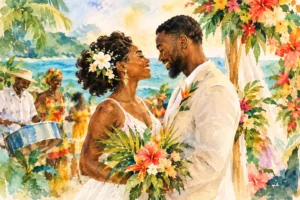
Afro-Caribbean wedding storytelling preserves heritage, rhythm, and honest emotion in cinematic images and films made to honor your legacy with...
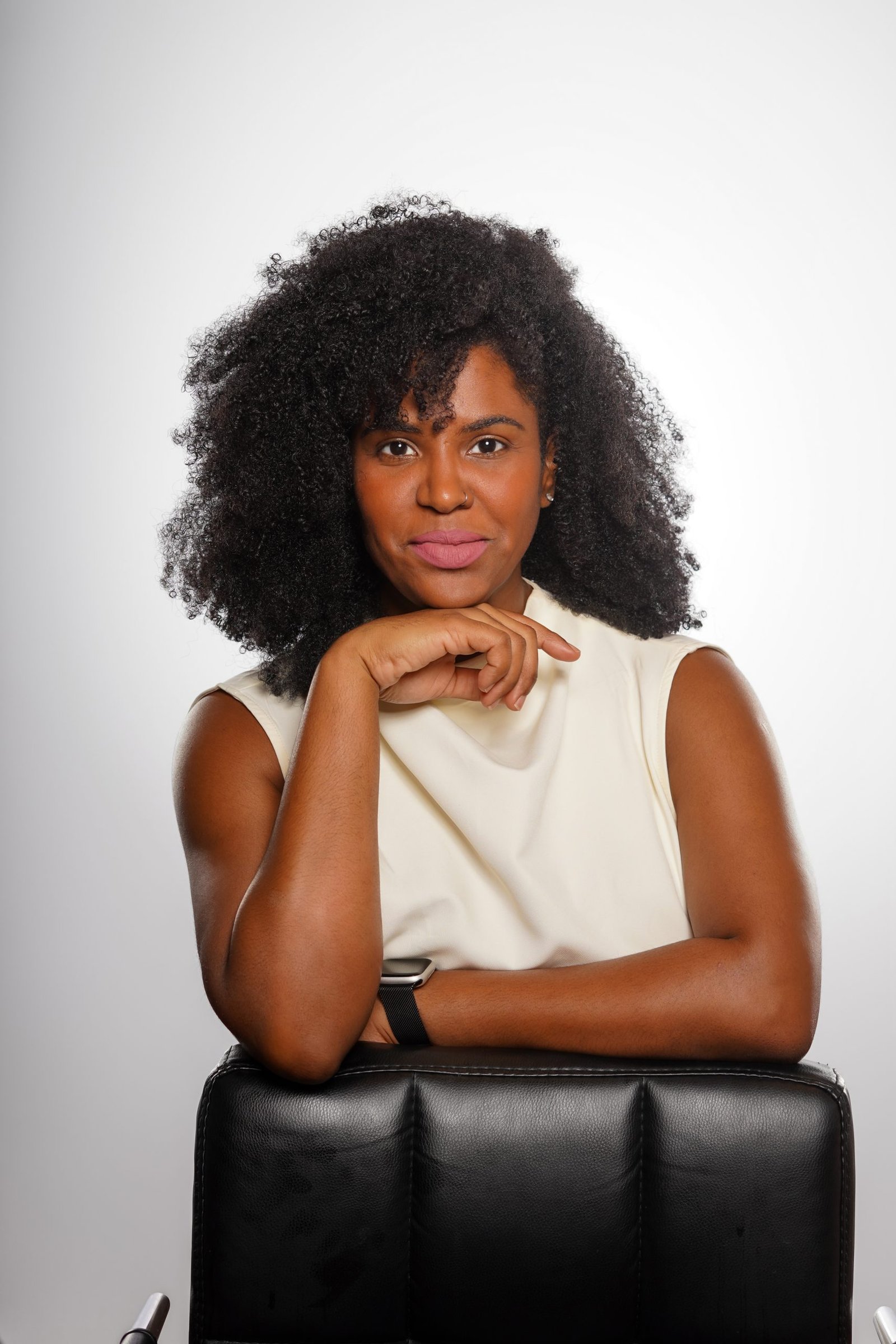
HELLO
I’m Keyris a refined and editorial wedding photographer based in Montreal, specializing in local and destination weddings, as well as luxury elopements. With over 8 years of experience, I bring a unique and detailed eye to every love story, capturing moments that are authentic, timeless, and sophisticated.
As a dreamer and a determined, persistent woman, I find inspiration in the beauty of genuine connections and the natural world.
Whether it’s a quiet glance, a joyful laugh, or a breathtaking backdrop, I aim to preserve the magic of your special day through storytelling and fine art photography.
While I call Montreal home, my passion for capturing love stories has taken me across Canada and beyond including destination weddings in the Dominican Republic, as well as cities like Toronto and Ottawa. My services extend to both local and international weddings, ensuring that no matter where your love takes you, I can be there to document it.
Outside of photography, I’m a landscaper, chess player, and animal lover. These facets of my life enrich my perspective and approach to photography, allowing me to connect deeply with the stories I tell.
The most beautiful portrait rarely begins with a perfect pose. It begins when you stop wondering what your hands are doing, let your shoulders soften, and give your attention to the person beside you or the moment you are celebrating. Learning how to pose naturally in portraits is less about memorizing angles and more about finding a way to be present in front of the camera.
That matters whether you are planning engagement photos, a maternity session, a family portrait, or a personal branding shoot. You do not need to become a model for an afternoon. You simply need thoughtful direction, a little room to move, and permission to look like yourself.
Natural Portraits Start With Comfort, Not Perfection
Stiffness usually comes from trying too hard to get everything right at once. A camera is pointed your way, someone says “smile,” and suddenly every limb feels unfamiliar. The answer is not to freeze into a more elaborate pose. It is to give your body something gentle and believable to do.
Begin with your feet. Stand with your weight resting more on one leg than the other, rather than balancing evenly through both feet. This creates a natural bend in the body and helps your posture feel less formal. Turn slightly away from the camera instead of facing it head-on, then bring your face back toward the light or your photographer.
From there, let your arms have purpose. A hand can rest lightly at your waist, touch the edge of a jacket, hold a bouquet, or settle against your partner’s chest. The goal is not to place every finger perfectly. It is to avoid pressing your arms tightly to your sides, where they can feel disconnected from the rest of your body.
A relaxed pose should still feel like you. If you are naturally expressive, movement and laughter may create your strongest images. If you are quiet and affectionate, a softer, more intimate frame may feel truer. There is no single version of natural.
How to Pose Naturally in Portraits With a Partner
For couples, connection is more powerful than symmetry. Standing shoulder to shoulder and smiling directly at the camera can be lovely for a few frames, but it is rarely where the story lives. Your portraits become more emotional when you interact with each other rather than performing for the lens.
Start close enough that you can feel one another’s presence. Let your bodies lean in slightly, even if your faces are turned toward the camera. Hold hands in the way you normally would. If one person wraps an arm around the other, allow the embrace to settle rather than gripping tightly.
Then add small prompts that create an honest response. Walk slowly and talk about the first time you met. Whisper something that will make your partner laugh. Pause, look at them, and take a breath before going in for a kiss. These are not tricks. They give you something real to focus on, so the expressions in your photographs have a reason to exist.
Kissing deserves a slower approach, too. A rushed kiss can look tense in a still image. Instead, come close, pause just before your lips meet, and let the moment unfold. Often, the frames before and after the kiss hold the most tenderness: a shared smile, foreheads touching, eyes closed, a hand gently pulling someone closer.
For an engagement session or wedding portrait, do not worry if you feel awkward for the first five minutes. Most people do. Trust the rhythm of the session. With clear guidance, that self-consciousness gives way to the kind of ease that cannot be forced.
Let Movement Do Some of the Work
Still portraits have their place, especially when you want a refined image for a frame or an heirloom album. But subtle movement brings life into photographs. It releases tension in the shoulders, softens the mouth, and gives fabric, hair, and hands a sense of rhythm.
Walk toward each other. Turn away, then come back together. Adjust your dress or jacket. Let your partner tuck hair behind your ear. Hold hands as you move through a meaningful location. These gestures create elegant images without making you feel as though you are acting.
Movement does not have to mean big energy. A slow sway can be enough. For maternity portraits, one hand over your belly while your other hand traces the curve of a dress can feel graceful and deeply personal. For family photographs, a child leaning into a parent’s side or being lifted for a quick hug often says more than a perfectly lined-up smile ever could.
The trade-off is that movement asks you to release a little control. Not every frame will be perfectly composed, and that is part of its beauty. The strongest image may be the one where you are mid-laugh, your veil catches the wind, or your child reaches for your face.
Use Your Face Without Forcing a Smile
A natural expression is not the same as a permanent smile. Your face should be allowed to shift throughout the session. Some portraits call for joy and open laughter. Others are stronger with a quiet glance, a soft smile, or a thoughtful expression.
If your smile feels strained, exhale first. Let your lips part slightly, relax your jaw, and think about someone or something you love. Looking just past the camera can also feel less intense than holding direct eye contact with the lens.
For couples, look at each other more often than you think you should. There is a particular kind of warmth that appears when you look at the person you chose, rather than at the camera. It gives a photograph depth. It tells us this is not simply a beautiful outfit in a beautiful setting. It is a relationship with history, humor, and tenderness.
Small Details That Make a Big Difference
You do not need to memorize a long list of posing rules, but a few choices can immediately make your body feel more relaxed in photographs:
- Keep a little space between your arms and your torso.
- Shift your weight into one hip or one leg.
- Lengthen through the spine without lifting your shoulders.
- Keep your chin slightly forward and gently down when directed.
- Let your hands touch something or someone with intention.
These adjustments are starting points, not rigid instructions. A skilled photographer will adapt them to your body, your clothing, and the mood you want to create. A dramatic gown may invite a more sculptural stance, while a relaxed at-home family session may call for sitting close together on the sofa, feet tucked beneath you, with more room for spontaneous moments.
Wear Something You Can Move and Breathe In
What you wear changes how you pose. When clothing pinches, slips, or requires constant adjustment, it takes you out of the experience. Choose pieces that make you feel elevated but still able to walk, sit, embrace, and breathe comfortably.
For a more cinematic portrait session, consider movement in the fabric. Dresses with gentle flow, tailored suits with room through the shoulders, and layers that add texture can photograph beautifully. But style should never erase comfort or cultural expression. The clothing, jewelry, colors, and details that speak to your heritage and personality are often what make your images feel timeless rather than generic.
Bring shoes you can walk in if your session includes multiple locations, then change into statement shoes when it is time for a more polished portrait. This simple choice can keep your body relaxed and your attention where it belongs.
Trust Direction, Then Forget the Camera
You are not expected to know every angle. That is the photographer’s role: to notice the way the light falls, adjust your position by an inch, and create a setting where real emotion can surface. The best direction is calm, specific, and responsive to you, not a series of poses copied from someone else’s gallery.
At Keyris Rodriguez, portrait storytelling is approached with that balance in mind: enough refinement to create a sophisticated image, and enough freedom for your connection to remain visible. The goal is never to make you look like someone else. It is to create photographs that feel like your love, your family, your season of life, held with intention.
Before your session, give yourself extra time to arrive without rushing. Put on music that makes you feel confident. Take a few deep breaths in the car. Then let the camera become part of the background. When you stop trying to prove that you belong in the photograph, you make room for something far more lasting: a portrait that feels like home.
Stories Behind the Lens
Stories Behind the Lens
With a storyteller’s eye and a refined artistic approach, I work closely with couples to create timeless, emotionally resonant photographs. For over 8 years, I’ve had the joy of capturing love stories across Montreal and beyond, turning fleeting moments into lasting memories.
I built on a warm, personalized experience where every couple feels truly seen and at ease. Inspired by the beauty of natural light, genuine emotion, and human connection, I aim to craft imagery that honors the unique essence of your journey together.
Documentary Versus Editorial Wedding Photography
Documentary versus editorial wedding photography helps you choose images that feel candid, polished, and true to your celebration and legacy...
Personal Branding Photographer Montreal for Leaders
Choose a personal branding photographer Montreal professionals trust for refined, emotionally true images that make your next chapter visible with...
Working with the Nikon D850 and Nikon D750 cameras has brought numerous advantages to my photography sessions. These cameras have become my trusted companions, allowing me to capture stunning images across various settings. Let me walk you through why these two models are my favorites and how they enhance my photography.