
Wondering how long is a wedding highlight video? Learn the ideal runtime, what shapes it, and how to choose a...
HELLO
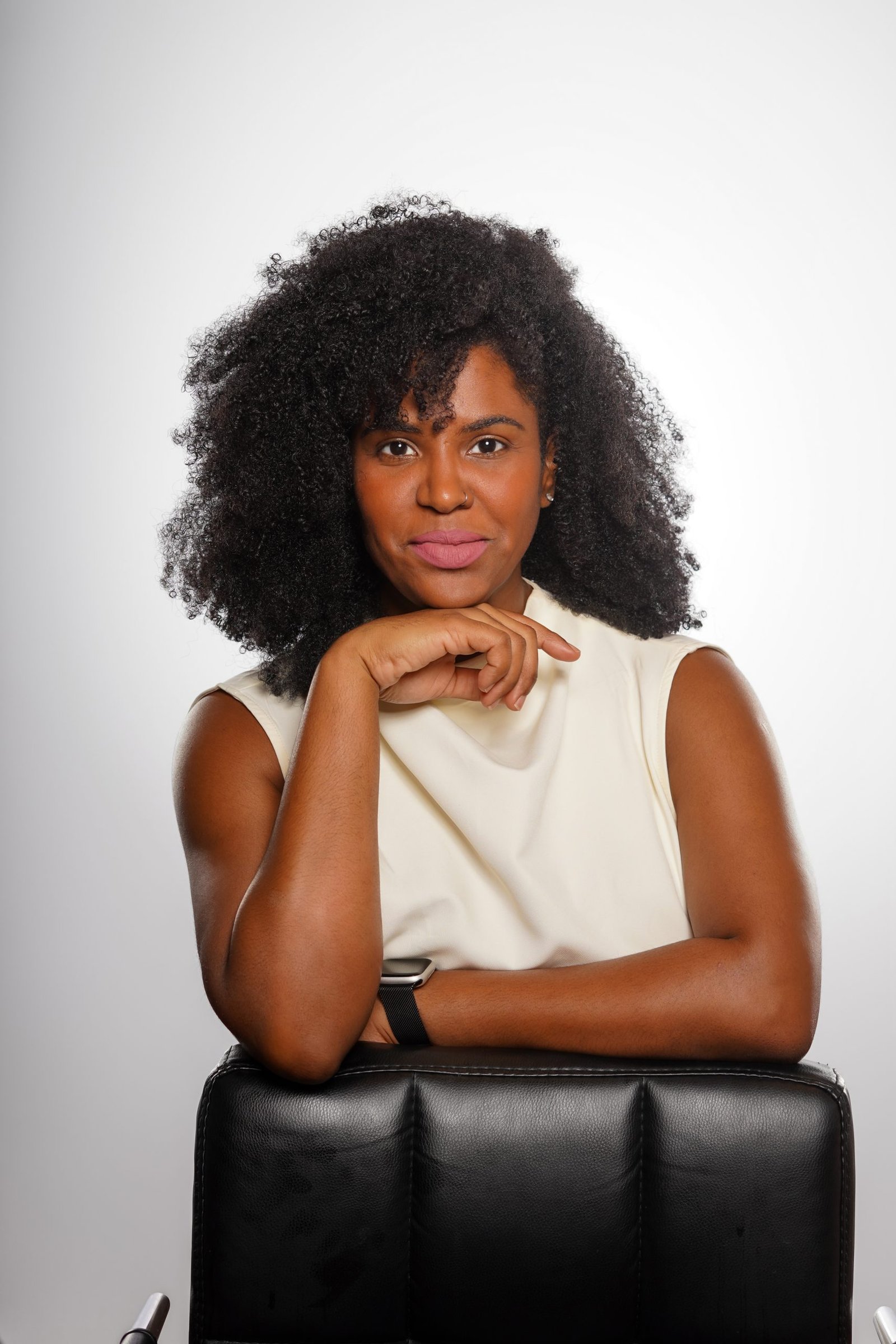
I’m Keyris a refined and editorial wedding photographer based in Montreal, specializing in local and destination weddings, as well as luxury elopements. With over 8 years of experience, I bring a unique and detailed eye to every love story, capturing moments that are authentic, timeless, and sophisticated.
As a dreamer and a determined, persistent woman, I find inspiration in the beauty of genuine connections and the natural world.
Whether it’s a quiet glance, a joyful laugh, or a breathtaking backdrop, I aim to preserve the magic of your special day through storytelling and fine art photography.
While I call Montreal home, my passion for capturing love stories has taken me across Canada and beyond including destination weddings in the Dominican Republic, as well as cities like Toronto and Ottawa. My services extend to both local and international weddings, ensuring that no matter where your love takes you, I can be there to document it.
Outside of photography, I’m a landscaper, chess player, and animal lover. These facets of my life enrich my perspective and approach to photography, allowing me to connect deeply with the stories I tell.
A beautiful family portrait rarely begins with everyone wearing the same thing. The most memorable outdoor family photo outfits create a feeling: close, considered, and completely true to the people in the frame. When the clothing gives each person room to move, laugh, cuddle, and be themselves, the photographs hold more than a look. They hold a season of your family life.
The goal is not perfection. It is visual harmony with enough personality left intact that, years from now, you still recognize yourselves.
Start With a Feeling, Not a Matching Set
Before choosing colors or opening a dozen shopping tabs, decide how you want the images to feel. Soft and romantic? Relaxed and sun-warmed? Elegant and editorial? Rooted in tradition and full of color? This first choice gives every outfit decision a clear direction.
A family session in a field at golden hour may call for flowing fabrics, warm neutrals, and gentle movement. A walk through an urban Montreal neighborhood can hold richer color, sharper tailoring, and a little more contrast. At the beach, breathable linen and pale, natural tones often let the location and connection take the lead.
Matching everyone in identical white shirts and jeans can feel clean, but it can also flatten the photograph. Coordinating is more interesting. Think of your family as a small collection: colors that belong together, fabrics with different textures, and silhouettes that feel balanced without being uniform.
Build Outdoor Family Photo Outfits Around a Color Story
Choose two or three main colors, then add one or two softer supporting shades. This gives the eye a place to rest while allowing every family member to look individual.
Earthy colors photograph beautifully outdoors because they sit naturally beside grass, stone, trees, and warm evening light. Cream, camel, cocoa, muted olive, rust, terracotta, dusty blue, soft denim, and faded rose are all dependable starting points. Deep jewel tones such as emerald, burgundy, plum, and sapphire can be especially striking in fall or against a quieter landscape.
Try to avoid building every look around bright white, stark black, or intense neon. White can lose detail in direct sunlight, while black can feel visually heavy in a bright, airy setting. That does not mean either color is forbidden. A black dress can be deeply elegant in a moodier location, and an ivory blouse can add beautiful light near the face. The difference is intention and balance.
If your family has meaningful cultural clothing, textiles, or colors, make space for them. A portrait session is not a costume party. It is a record of legacy. A headwrap, a richly colored skirt, heirloom jewelry, or a garment that connects you to home can bring a depth no trend can replace.
Begin With One Outfit You Love
The easiest way to avoid decision fatigue is to choose one anchor look first. Often, this is the outfit worn by the person who has been carrying the planning load, or a dress, suit, or set that already feels special.
From there, pull colors from that piece. If one parent wears a soft floral dress with hints of rust, cream, and blue, another person might wear a textured cream shirt, a child could wear muted blue, and another could wear warm brown. The result feels connected without looking overly arranged.
Do not force every person into every color. Repetition is useful, but too much repetition can look stiff. Let one shade appear in a dress, another person’s socks, a scarf, or a child’s cardigan. Small echoes make the photograph feel composed.
Let Texture Create Depth
Outdoor light loves texture. Linen, cotton gauze, knitwear, corduroy, soft denim, wool, eyelet, and subtle embroidery all add dimension without competing for attention. These materials catch light gently and give images a tactile, cinematic quality.
This matters even more when working within a neutral palette. A family dressed in cream can look flat if every piece is smooth and similar. Mix a knit sweater with a linen dress, cotton button-down, and suede boots, and the same palette becomes layered and alive.
Patterns can work beautifully, but use them with restraint. One medium-scale floral, plaid, stripe, or print is usually enough to guide the group. Pair it with solids and quieter textures. Several bold patterns competing in one frame can pull attention away from the expressions and gestures you will want to remember most.
Logos, large graphics, and very trendy slogans tend to date quickly. Family portraits deserve clothing that lets faces, hands, and connection remain the focal point.
Dress for Movement and Real Life
A family session is not meant to feel like standing in a showroom. Children may be lifted, parents may sit on the ground, siblings may run ahead, and someone will almost certainly need a snack or a quick hug. Your outfits should support that kind of honest movement.
Choose clothing that fits well now, rather than clothing bought with the hope that it will fit by the session date. A fitted silhouette can photograph beautifully, but no one should be tugging at a waistband or worrying about a neckline. If you cannot sit, walk, or hold your child comfortably in it, it will probably show.
For children, prioritize softness and familiarity. A beautiful outfit is not worth tears before the first photo. Let them wear shoes they can walk in and layers they can tolerate. Bring a backup outfit for very young children if needed, but keep it within the same palette so the visual story stays cohesive.
Shoes deserve a little attention, too. They are visible more often than people expect, especially when the family is walking together or seated on a blanket. Clean boots, loafers, simple sandals, or neutral sneakers can work well. Athletic shoes in fluorescent colors, worn-out flip-flops, and heavily branded footwear usually distract from an otherwise polished look.
Consider the Season and Location
The best outfit plan always responds to the environment. A wardrobe that looks perfect in a studio may not make sense in wind, tall grass, sand, or a crisp autumn park.
For spring, lean into layers. Light jackets, cardigans, long sleeves, and pieces that can be removed keep the family comfortable while adding visual variety. Summer calls for breathable fabrics and lighter colors, but remember that very pale clothing can become translucent in strong backlight. A lining, slip, or layered piece can save an outfit from an unexpected surprise.
Fall gives you room for deeper tones and richer textures. Think knitwear, boots, midi dresses, tailored jackets, and warm layers that can be wrapped around a child or tossed over a shoulder. In winter, coats can become part of the story rather than something to hide. Choose a coordinated outerwear palette, add textured scarves and hats sparingly, and let the closeness of the season show.
Location also changes the equation. If the setting is lush and green, avoid dressing everyone in the exact same green as the landscape. If the backdrop is sandy and pale, add enough depth through texture or a richer accent color so your family does not disappear into it.
Keep Accessories Meaningful and Light
Accessories should feel like punctuation, not the whole sentence. Delicate jewelry, a favorite watch, a belt, a simple hat, or a sentimental piece can bring personality to an outfit. The key is selecting details that still feel like you.
A flowing hat may look beautiful for a few portraits, but it can create shadows across the face. Large statement jewelry can be striking in a close portrait but may feel busy when several people are gathered together. It depends on the mood you want and the role the accessory plays in the image.
If you are bringing a blanket, choose one that belongs to the color story. Natural woven textiles, soft quilts, or a meaningful family piece can create an intimate place to sit, gather, and slow down. Avoid overly bright props unless color is a deliberate part of the vision.
Plan for the Frame, Then Forget About the Clothes
Lay all the outfits out together before the session. Take a quick phone photo in natural window light. This simple step makes it easier to spot a color that feels too loud, a pattern that needs a calmer companion, or a gap in the overall balance.
Then prepare the practical details: remove tags, steam wrinkles, check that shoes are clean, and pack a small bag with water, wipes, snacks, and any essential child comfort item. These quiet preparations protect the ease of the experience.
Once the session begins, release the need to get every detail right. The strongest family photographs are not the ones where every collar stayed perfect. They are the ones where a child reaches for a parent, where someone laughs unexpectedly, where the people you love look like home to one another.
Choose clothing that honors the occasion, but let your connection do the rest. A thoughtfully dressed family, held by good light and genuine affection, becomes more than a beautiful image. It becomes a piece of your legacy.
Stories Behind the Lens
Stories Behind the Lens
With a storyteller’s eye and a refined artistic approach, I work closely with couples to create timeless, emotionally resonant photographs. For over 8 years, I’ve had the joy of capturing love stories across Montreal and beyond, turning fleeting moments into lasting memories.
I built on a warm, personalized experience where every couple feels truly seen and at ease. Inspired by the beauty of natural light, genuine emotion, and human connection, I aim to craft imagery that honors the unique essence of your journey together.
15 Best Questions Before Booking a Videographer
The best questions before booking a videographer help you choose a filmmaker who honors your love, culture, and once-in-a-lifetime moments...
How a Corporate Headshot Photographer Builds Trust
A corporate headshot photographer creates more than a polished portrait: they help your team show up with confidence, warmth, and...
Working with the Nikon D850 and Nikon D750 cameras has brought numerous advantages to my photography sessions. These cameras have become my trusted companions, allowing me to capture stunning images across various settings. Let me walk you through why these two models are my favorites and how they enhance my photography.